


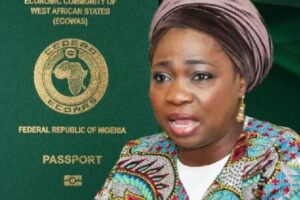




Presidential Adviser Tope Fasua has ignited a fresh national conversation after asserting that fixing poverty should primarily rest on local governments, describing them as the closest tier of government to the people. The remarks, delivered amid ongoing debates on fiscal restructuring and decentralization, have triggered both applause and criticism across policy circles, with many Nigerians questioning whether grassroots authorities are truly equipped for such a heavy mandate.
The statement arrives at a sensitive moment in Nigeria’s governance reforms, where local government autonomy is being positioned as a potential game-changer for development delivery. However, public reaction has been sharply divided, with some citizens viewing the comment as a practical solution to long-standing inefficiencies, while others see it as an attempt to shift responsibility downward in a system already burdened by structural challenges.
Grassroots Responsibility and the Original Policy Argument
The argument presented by Presidential Adviser Tope Fasua rests on the idea that local governments, being closest to communities, are best positioned to identify and respond to poverty-related issues. According to the policy direction he referenced, empowering these councils with greater financial independence could allow for faster interventions in education, healthcare, and rural infrastructure.
Supporters of this view believe that decentralization could reduce bureaucratic delays and bring governance closer to everyday realities.
In this framing, Presidential Adviser Tope Fasua is reinforcing a broader reform narrative that seeks to reposition local councils as active engines of development rather than administrative extensions of higher tiers of government.
However, critics argue that proximity alone does not guarantee effectiveness. Many local government areas have historically struggled with limited capacity, weak accountability systems, and political interference, raising concerns about whether they can independently shoulder the responsibility of tackling poverty at scale.
Wider Governance Debate and Emerging Public Reactions
Beyond the initial statement, Presidential Adviser Tope Fasua’s remarks have reopened long-standing discussions about fiscal federalism and the real meaning of autonomy in Nigeria’s governance structure. Recent reforms and court interpretations around direct allocation to local governments have strengthened expectations that grassroots administration will now be held more directly accountable for development outcomes.
Policy analysts note that while increased funding is important, structural issues such as corruption risks, administrative inefficiency, and lack of performance monitoring could limit the impact of such reforms. In many discussions circulating across civic and policy platforms, Presidential Adviser Tope Fasua’s position is being interpreted as both a challenge and a warning to local authorities to justify the confidence placed in them.
At the same time, public sentiment remains cautious. Many citizens argue that poverty is a multi-layered issue requiring coordinated efforts across federal, state, and local levels, rather than being concentrated in one tier of government. This tension continues to shape the broader interpretation of the adviser’s comments in ongoing governance debates. Presidential Adviser Tope Fasua has succeeded in pushing Presidential Adviser Tofe Fasua into the centre of Nigeria’s evolving conversation on decentralisation and poverty reduction. Whether his stance becomes a blueprint for reform or a point of political contention will depend on how effectively local governments respond to rising expectations in the months ahead.
Table of Contents
Discover more from OGM News NG
Subscribe to get the latest posts sent to your email.