


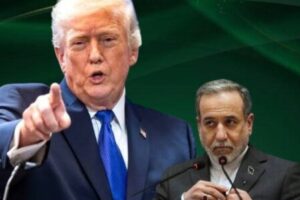






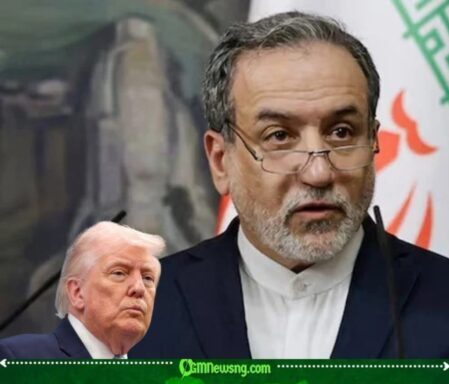
Iran says the current ceasefire with the United States is serving a purpose beyond ending active hostilities. Senior officials have declared that the pause is being used to strengthen combat readiness, improve operational capabilities and prepare the country’s armed forces for any future threat. While the statement presents the policy as a defensive necessity, it has also raised fresh questions over whether ceasefires are becoming opportunities to rebuild military strength rather than simply preserve peace.
Is the Ceasefire Buying Peace or Buying Time?
Iranian military officials have maintained that the ceasefire does not mean the country’s security concerns have disappeared. Instead, commanders say the armed forces remain on high alert and are using the period to review operational lessons, improve coordination, expand training exercises and reinforce defensive capabilities. According to official statements, military preparedness remains essential because regional tensions have not completely faded, even though direct fighting has subsided.
The announcement has generated mixed reactions among diplomats and security analysts. Supporters argue that every nation has the right to maintain military readiness regardless of diplomatic developments, while critics question whether such messaging risks undermining confidence in the fragile truce. In the diplomatic world, a ceasefire is often expected to calm nerves; in the military world, however, it sometimes looks suspiciously like halftime before the next match. The battlefield may be quieter, but strategy meetings clearly are not.
Ceasefire on Paper, Combat Readiness in Practice
Beyond Iran’s latest declaration, the broader regional picture remains uncertain. Diplomatic discussions involving Washington and Tehran continue over several long-standing issues, including regional security, sanctions and the future of nuclear-related negotiations. Although public statements from both sides have occasionally expressed support for dialogue, disagreements remain significant, leaving observers cautious about predicting a lasting breakthrough.
Military experts frequently note that ceasefires have historically served more than one purpose. While they reduce immediate violence and create opportunities for diplomacy, they also allow armed forces to repair equipment, replenish supplies, assess battlefield performance and prepare for future contingencies. That reality does not automatically mean conflict is inevitable, but it explains why governments often remain militarily active even during periods officially described as peaceful. For many observers, the latest remarks from Iran reinforce the belief that modern diplomacy and military preparedness increasingly move side by side rather than in opposite directions.
Whether the present ceasefire develops into lasting stability or merely postpones another chapter of confrontation will depend on decisions made far beyond the battlefield. Diplomacy still offers the clearest path toward reducing tensions, but military readiness continues to shape the calculations of every major player involved. OGM News Nigeria will continue monitoring developments as Iran and the evolving ceasefire remain central to one of the world’s most closely watched security challenges.
Table of Contents
Discover more from OGM News NG
Subscribe to get the latest posts sent to your email.