

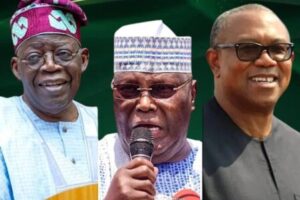

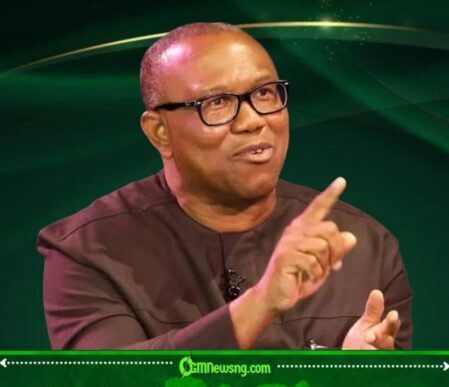
Accountability has once again returned to the centre of Nigeria’s political conversation after former Labour Party presidential candidate Peter Obi openly criticised the administration of President Bola Ahmed Tinubu over worsening economic hardship and persistent insecurity challenges across the country. In a viral video that quickly circulated online, Obi argued that any leader unable to effectively serve the people should willingly step aside instead of remaining in office while citizens continue struggling with rising costs of living and uncertainty.
The strong remarks immediately triggered intense political reactions nationwide, with supporters describing the statement as a bold reflection of public frustration, while critics accused Obi of weaponising national hardship for political advantage. The controversy arrives at a time when many Nigerians continue grappling with inflation, high transportation costs, naira instability, and security concerns that have dominated public discussions since the current administration introduced major economic reforms.
Governance Concerns Grow After Obi’s Strong Message to Nigerian Leaders
Governance pressure has steadily increased on the Tinubu administration following difficult economic adjustments introduced after the removal of the fuel subsidy and the unification of the foreign exchange market. While government officials have repeatedly defended the reforms as painful but necessary steps toward long-term economic recovery, many citizens argue that daily survival has become significantly harder.
Peter Obi’s comments appear to tap directly into that frustration, particularly among younger Nigerians and urban residents who have consistently demanded greater transparency and measurable results from political leaders. The former Anambra State governor insisted that leadership should be tied to responsibility and service delivery rather than political prestige, warning that citizens cannot continuously absorb hardship without visible improvements in governance and security conditions.
The statement also reflects the broader political rivalry that has remained active since the 2023 presidential election, where Obi emerged as one of the strongest opposition voices despite losing the contest. Since then, he has continued criticising government policies while positioning himself as an advocate for accountability, fiscal discipline, and people-focused governance. His latest remarks have therefore been interpreted by observers not merely as criticism, but as part of an ongoing effort to sustain political relevance ahead of future electoral battles.
Peter Obi Questions Tinubu’s Capacity as Economic Hardship Bites Harder
Economic reality remains one of the most sensitive issues confronting Nigerians today, with inflation continuing to affect food prices, transportation, electricity, and household expenses across the country. Recent months have also seen recurring debates over the pace and effectiveness of government reforms, especially as many small businesses struggle to adapt to rising operational costs.
Security concerns have further complicated public sentiment. From kidnappings and communal violence to attacks in some rural communities, insecurity continues to influence national conversations about leadership effectiveness. Critics of the administration argue that economic reforms become harder for citizens to tolerate when insecurity simultaneously threatens livelihoods and public confidence.
Political analysts note that Obi’s remarks gained traction partly because they arrived during a period of visible public exhaustion. Across social media, many Nigerians turned the statement into memes and satire, joking that politicians suddenly remember “service” only when microphones and cameras appear nearby. Others, however, insisted the issue is too serious for comedy, arguing that accountability should remain central to democratic leadership regardless of political affiliation.
The federal government has consistently maintained that ongoing reforms require patience and sacrifice before long-term benefits can emerge. Supporters of President Tinubu argue that previous administrations avoided difficult decisions for years, leaving structural economic problems that now require aggressive correction measures. Yet opposition voices continue demanding clearer timelines, stronger social protections, and immediate relief for struggling citizens.
As the Accountability debate continues dominating political discussions, observers believe the controversy may further energise opposition politics while increasing pressure on the government to demonstrate measurable improvements in both economic conditions and national security. For many Nigerians, however, the larger question goes beyond political rivalry: whether Governance in Africa’s largest democracy can truly deliver meaningful relief before public frustration transforms into something far more unpredictable.
Table of Contents
Discover more from OGM News NG
Subscribe to get the latest posts sent to your email.