








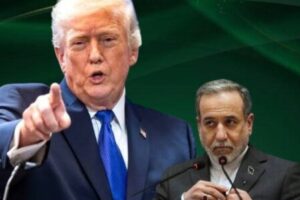
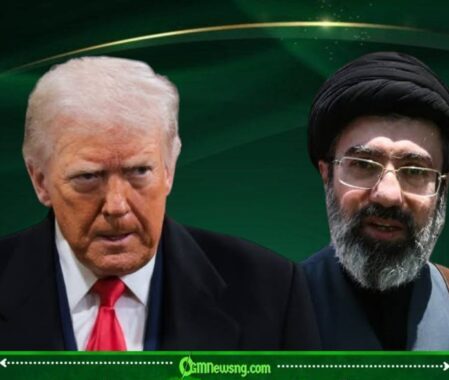
Retaliation fears spread across the Middle East on Tuesday after Iran threatened to respond following American military strikes targeting Iranian missile launch sites and armed military boats. The strikes, reportedly carried out amid growing regional tensions, immediately reignited international concerns about whether the long-running hostility between Tehran and Washington could once again spiral into direct confrontation. While President Donald J. Trump defended the operation as necessary for security and deterrence, Iranian officials described the action as provocative and warned that “appropriate consequences” would follow.
“You Started This” — Iran Threatens Payback After U.S. Strikes
Iranian military figures claimed the strikes damaged strategic facilities connected to missile deployment and maritime operations, though the full scale of destruction remains uncertain. State-linked voices within Tehran accused the United States of attempting to project dominance through force while simultaneously portraying itself as a stabilizing power in the region. The retaliation rhetoric quickly dominated broadcasts and online discussions, with some officials hinting that any response may be “measured but unforgettable.”
President Donald J. Trump’s administration, meanwhile, insisted the strikes were intended to disrupt potential threats against American personnel and allied shipping activity in contested regional waters. Security analysts noted that military boats associated with Iran have frequently been at the center of tense encounters involving commercial vessels and foreign naval patrols. Although both sides stopped short of declaring intentions for full-scale war, experts warned that repeated cycles of strikes and retaliation could eventually create a conflict neither government initially planned to enter.
Trump’s Military Gamble Pushes Middle East Toward Dangerous Edge
The latest strikes arrive during a period of heightened instability across the Middle East, where regional rivalries, maritime security disputes, and proxy confrontations have increasingly overlapped. International observers have expressed concern that even limited military exchanges between Iran and the United States could disrupt global energy markets, shipping lanes, and diplomatic negotiations involving neighboring states. Oil traders reportedly reacted nervously as fears grew that retaliation efforts could target routes critical to international commerce.
Beyond the military developments, political analysts argue that both Tehran and Washington are also fighting a battle of perception. Iranian authorities appear determined to avoid looking weak before domestic supporters, while the Trump administration continues projecting an image of strength and deterrence abroad. Social media reactions reflected a mixture of anxiety and satire, with users joking that geopolitical tensions now arrive “faster than streaming subscriptions.” Yet beneath the humor remains a serious reality: every strike, warning, and retaliation threat increases the possibility of a miscalculation capable of affecting millions beyond the battlefield.
Pentagon Presses “Send Message” Button, Tehran Replies “Message Received”
As diplomats quietly attempt to reduce tensions behind the scenes, attention now turns toward whether Iran’s promised retaliation will emerge through direct military action, cyber operations, allied regional groups, or symbolic demonstrations of force. OGM News Nigeria understands that international security agencies are closely monitoring developments, as the world waits to see whether the latest strikes become another temporary flare-up or the beginning of a much wider crisis.
Table of Contents
Discover more from OGM News NG
Subscribe to get the latest posts sent to your email.