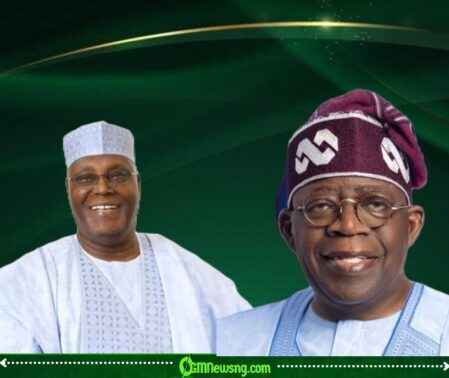

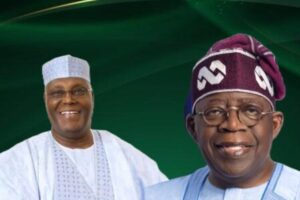



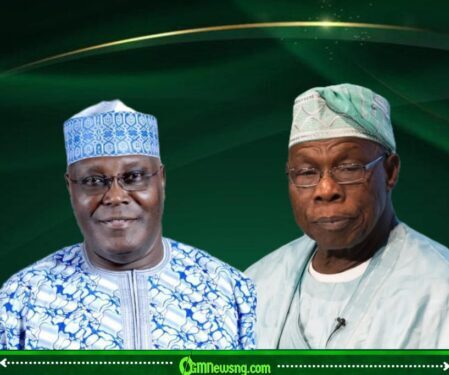
Nigeria’s political theatre has once again delivered a blockbuster episode, with former Vice President and African Democratic Congress (ADC) presidential candidate Atiku Abubakar responding forcefully to former President Olusegun Obasanjo’s recent remark that choosing him as vice president remains one of his greatest regrets. Rather than offering a routine political rebuttal, Atiku unveiled a deeply personal account, claiming he clothed, fed and supported Obasanjo after the latter regained freedom from prison, insisting history should not be rewritten to suit present-day disagreements.
The latest exchange has reignited public debate over one of Nigeria’s most influential political partnerships. While the facts surrounding the long-running dispute have been documented over the years, the renewed war of words has added fresh drama to discussions about the country’s democratic history, the controversial third-term agenda and the political calculations ahead of the 2027 elections.
Atiku:History Returns to the Campaign Stage
In a statement issued through his media aide, Atiku said he watched Obasanjo’s recent comments with sadness rather than anger. He maintained that during Obasanjo’s imprisonment, he supported his family, worked alongside other political figures for his release and continued assisting him after he regained freedom, insisting that the former president lacked nothing under his care.
In classic Nigerian political fashion, the disagreement quickly evolved from policy to personal history. The satirical twist is that what began as a debate over leadership has now sounded like relatives arguing over who bought the first school uniform decades ago. Citizens, meanwhile, continue wondering whether receipts from the 1990s will soon become official campaign documents.
Obasanjo’s Third-Term Ghost Refuses to Leave the Room
Atiku argued that Obasanjo’s criticism stems from his opposition to the controversial third-term agenda, insisting he remains proud of defending Nigeria’s Constitution against any attempt to extend presidential tenure beyond constitutional limits. He described that resistance as one of the defining moments of his political career and said history had already judged the issue in favour of constitutional democracy.
The political irony, however, is difficult to ignore. As Nigerians wrestle with inflation, unemployment and insecurity, two of the country’s most recognisable political veterans are once again debating events from nearly two decades ago. If political disagreements earned loyalty points, both camps might already qualify for lifetime membership. Yet beneath the satire lies a serious reminder that historical narratives often shape present-day political contests, especially as attention gradually shifts toward the 2027 general elections.
The disagreement also comes as political realignments continue across opposition parties, with leading figures positioning themselves for future electoral contests. Analysts believe the renewed exchanges could influence public perception of both leaders while reviving debates over Nigeria’s democratic evolution and constitutional safeguards.
As this political drama continues to unfold, OGM News NG will closely monitor further responses from both camps and any wider implications for Nigeria’s political landscape. Whether the next chapter brings reconciliation, fresh accusations or another history lesson, one thing is certain: this story is far from over.
Table of Contents
Discover more from OGM News NG
Subscribe to get the latest posts sent to your email.