






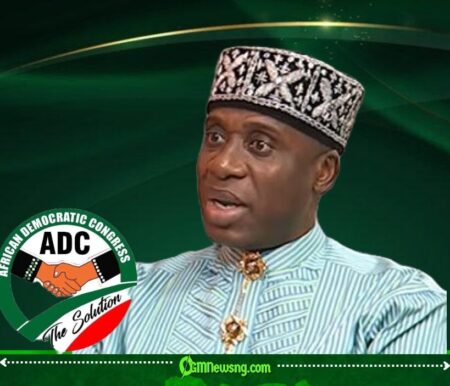
Rotimi Amaechi, former Rivers State governor and ex-Minister of Transportation has rejected the outcome of the African Democratic Congress presidential primaries, describing the announced results as “concocted” due to alleged widespread voter disenfranchisement and electoral malpractice.
In a strongly worded reaction issued after the primaries, Amaechi insisted that he would only accept the results of a process that was free, fair, and transparent, arguing that the conditions for a credible exercise were not met.
Amaechi Challenges ADC Primary Credibility
Rotimi Amaechi claimed that a significant number of party members were prevented from participating in the voting process during the ADC presidential primaries.
According to him, nearly 80 percent of eligible party members were allegedly disenfranchised, raising serious concerns about the legitimacy of the exercise.
Rotimi Amaechi questioned how such a process could be accepted as democratic, arguing that political parties seeking national leadership must demonstrate internal fairness and transparency.
His comments immediately sparked fresh controversy within the African Democratic Congress, with supporters and critics debating the credibility of the primary process.
Internal Democracy and Nigeria’s Political Landscape
The allegations by Rotimi Amaechi have renewed wider conversations about internal democracy within Nigerian political parties ahead of the 2027 general elections.
Electoral disputes during party primaries are common in Nigeria and often lead to legal battles, defections, and internal divisions that can weaken party structures before national elections.
Political analysts say the credibility of primary elections remains a major issue because internal party processes often shape public confidence in the broader democratic system.
The ADC now faces increased pressure to address concerns raised by aggrieved members and reassure supporters about the integrity of its internal electoral procedures.
For now, Amaechi’s rejection of the results has added another layer of political uncertainty to Nigeria’s rapidly evolving 2027 presidential contest.
Table of Contents
Discover more from OGM News NG
Subscribe to get the latest posts sent to your email.