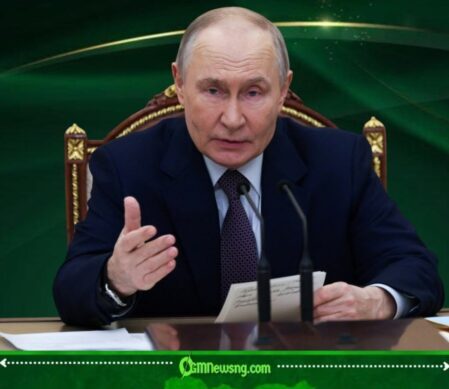









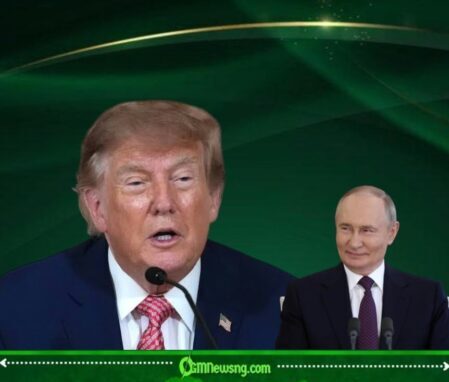
The United States is reportedly pushing for the restoration of Russian natural gas exports to Europe through pipelines crossing Ukraine, in a surprising diplomatic and economic development that could reshape the continent’s energy landscape. The proposal, reportedly promoted by American envoys Jared Kushner and Steve Witkoff, forms part of broader efforts by President Donald J. Trump to negotiate an energy ceasefire and advance a possible peace agreement between Russia and Ukraine. The development has raised eyebrows across Europe, particularly because the same Western alliance that spent years reducing its dependence on Russian energy may now be facing an American proposal to bring some of those supplies back.
The United States appears to be betting that economic cooperation could achieve what years of diplomatic pressure and sanctions have struggled to accomplish: bringing Moscow closer to a negotiated settlement. However, the proposal has created an uncomfortable question for European leaders: after spending years trying to move away from Russian energy, should Europe consider reopening the door simply because Washington believes it could help secure peace?
United States Pushes for Russian Gas to Flow Through Ukraine Again
According to the reported proposal, the United States wants Russian natural gas sales to Europe restored through existing pipeline infrastructure running across Ukraine. American negotiators have reportedly suggested using a U.S. intermediary to facilitate the transactions, while placing Russian proceeds into an escrow account in a third-party jurisdiction to limit Moscow’s ability to use the money to finance its war. The arrangement could also generate valuable transit revenue for Ukraine while potentially easing Europe’s energy costs ahead of winter.
The proposal is particularly interesting because Russian gas transit through Ukraine stopped in January 2025 after Kyiv declined to renew its transit agreement with Moscow. Now, the United States appears interested in reviving the same route, effectively suggesting that a pipeline connecting two countries at war could become part of a future economic peace arrangement. It is almost as if Washington has looked at one of Europe’s most politically sensitive energy problems and decided that perhaps the best solution is to turn the gas tap back on, provided everyone agrees on who gets paid and who controls the money.
United States Faces European Resistance as Trump Pursues Putin Deal
The United States may have a difficult task convincing European governments to accept the proposal. Several European leaders remain strongly opposed to restoring dependence on Russian energy, especially after Moscow’s invasion of Ukraine and the resulting energy crisis. The European Union has already established legislation to phase out Russian natural gas imports by the end of 2027, making Washington’s reported proposal politically and legally complicated. Some European officials have reportedly described the idea as incompatible with the principles behind their response to Russia’s war.
Nevertheless, President Donald J. Trump appears interested in exploring economic incentives as part of his broader dealings with Russian President Vladimir Putin. The United States has already made headlines over a reported arrangement involving Russian diesel supplies, while discussions about wider energy and commercial cooperation continue. Washington reportedly believes that renewed access to the European gas market could give Putin an additional reason to consider negotiations. But critics may wonder whether the pursuit of a business-friendly peace agreement risks giving Moscow economic advantages before a lasting settlement is secured. After all, when international politics begins mixing pipelines, sanctions, billions of dollars and wartime negotiations, even the smallest handshake can carry a very expensive price tag.
The reported proposal by the United States represents a significant development in the intersection of energy security, international diplomacy and the Russia-Ukraine conflict. However, it remains a proposal rather than an implemented agreement, and European resistance, existing sanctions and unresolved security concerns could complicate its progress. Will Trump’s energy diplomacy bring Moscow closer to peace, or will Europe refuse to reopen a door it spent years trying to close? Stay with OGM News NG for further developments as this politically sensitive energy story unfolds.
Table of Contents
Discover more from OGM News NG
Subscribe to get the latest posts sent to your email.