







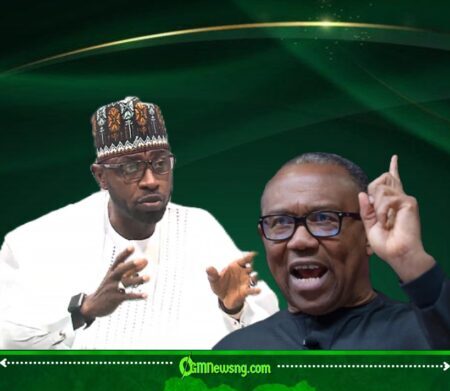
Tanko Yunusa, a prominent figure within the Obidient Movement, has ignited widespread debate after claiming that Peter Obi sold a wristwatch allegedly worth ₦300 million and used the proceeds to support education in Nigeria. The statement, made during a televised interview, quickly spread across social and political platforms, drawing both praise and skepticism.
Tanko Yunusa described the alleged act as a symbol of “greatness,” suggesting that it reflects Peter Obi’s commitment to education and social development. The comment resonated strongly with supporters of the Obidient Movement, many of whom view Obi as a leader who prioritizes public welfare and personal sacrifice over luxury.
However, the claim has also sparked criticism from observers who question its authenticity, urging the public to be cautious about unverified political narratives. They argue that while symbolic stories can inspire, they must be backed by clear evidence to maintain credibility in public discourse.
The controversy has once again highlighted how quickly political statements can gain traction in Nigeria’s fast-moving media environment, where viral narratives often shape public perception before official clarification is provided.
Tanko Yunusa and the Obidient Movement Narrative
Tanko Yunusa has remained an active voice within the Obidient Movement, frequently defending and promoting the political ideals associated with Peter Obi.
The movement itself has built a strong online and offline presence, largely centered on themes of accountability, transparency, and reform-orientation.
Political analysts note that supporters often emphasize stories that reinforce the moral and ethical image of their preferred candidates, especially in highly competitive political environments.
However, experts also stress the importance of separating political messaging from verified facts to avoid misinformation and unnecessary public confusion.
Political Communication and Viral Narratives in Nigeria
Nigeria’s political landscape is increasingly shaped by rapid information sharing across television, social media, and digital platforms.
Observers say this environment allows political narratives—both verified and unverified—to spread widely within minutes, often influencing public opinion before fact-checking occurs.
Communication experts argue that politicians and commentators must exercise greater responsibility when making public claims that could affect reputations and national discourse.
At the same time, analysts acknowledge that emotionally compelling narratives often play a powerful role in political engagement and voter perception.
For now, Tanko Yunusa’s statement continues to generate debate, reflecting the intersection of politics, media influence, and public perception in Nigeria’s evolving democratic space. OGM News Nigeria will continue monitoring reactions and developments surrounding the story.
Table of Contents
Discover more from OGM News NG
Subscribe to get the latest posts sent to your email.