





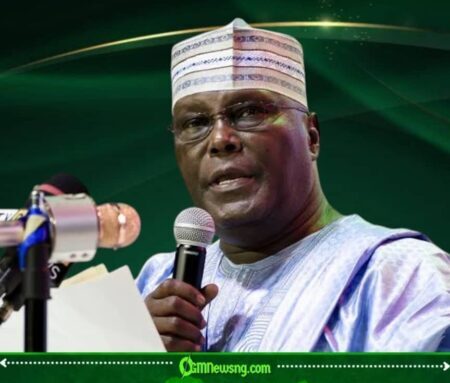
Debt Burden concerns returned to the center of Nigeria’s political debate after former Vice President Atiku Abubakar criticised reports that President Bola Tinubu’s administration is negotiating a fresh $1.25 billion loan from the World Bank. Atiku warned that continued foreign borrowing without visible improvement in the lives of ordinary citizens could deepen public frustration and worsen economic instability across the country.
The criticism arrived during one of Nigeria’s most difficult economic periods in recent years. Since the Tinubu administration introduced major reforms, including the removal of fuel subsidies and the unification of the foreign exchange market, Nigerians have faced surging inflation, weakened purchasing power, and higher living expenses. While government officials maintain that the reforms are necessary to stabilise the economy long term, critics argue that the immediate impact on citizens has been severe.
Atiku’s comments focused heavily on what he described as the absence of tangible benefits from previous loans obtained by successive administrations. According to him, ordinary Nigerians continue to struggle despite repeated promises that foreign borrowing would improve infrastructure, create jobs, and strengthen the economy. The reported World Bank negotiations have therefore reignited questions about transparency, fiscal discipline, and how public debt is being managed.
The administration of President Bola Tinubu has repeatedly defended its economic strategy, arguing that inherited financial pressures, subsidy costs, and declining government revenues required urgent reforms and external financial support. Government supporters also argue that international lenders often provide concessional loans with lower interest rates compared to commercial borrowing, making them part of broader economic recovery strategies rather than reckless spending.
World Bank Loan Debate Sparks Fresh Political Clash in Nigeria
World Bank discussions involving Nigeria often attract major public attention because of the country’s growing debt obligations and rising debt servicing costs. In recent years, economic analysts and financial institutions have repeatedly noted that Nigeria spends a significant portion of its revenue on servicing existing debts, leaving limited fiscal space for development projects and social welfare programmes.
Although multilateral institutions such as the World Bank frequently present loans as support mechanisms for reforms, infrastructure, healthcare, and poverty reduction, public skepticism has increased due to the limited visible impact many citizens say they experience daily. Rising food prices, unemployment, and currency instability have intensified demands for stronger accountability regarding how borrowed funds are utilised.
Several economists have also warned that borrowing itself is not necessarily the central problem; rather, the issue lies in productivity, transparency, and long-term economic returns. Countries often take loans to finance development, but concerns emerge when citizens cannot clearly identify projects, services, or measurable improvements tied to those debts. This growing frustration has created fertile ground for opposition figures such as Atiku to challenge the government’s economic direction.
Meanwhile, political observers believe the latest Debt Burden dispute could become a defining issue in future political campaigns. Opposition parties are increasingly framing the debate around the daily hardship experienced by citizens, while supporters of the Tinubu administration insist painful reforms are unavoidable steps toward long-term national recovery. The clash reflects a broader battle over who controls the narrative of sacrifice, recovery, and economic responsibility in Nigeria.
For now, Nigerians remain caught between promises of future stability and the realities of present hardship. As discussions around the reported World Bank loan continue, public pressure is likely to intensify for clearer explanations, stronger accountability, and visible evidence that borrowing is producing meaningful national progress rather than expanding the country’s already controversial Debt Burden.
Table of Contents
Discover more from OGM News NG
Subscribe to get the latest posts sent to your email.