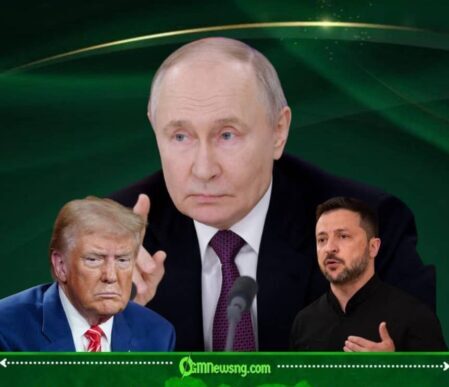








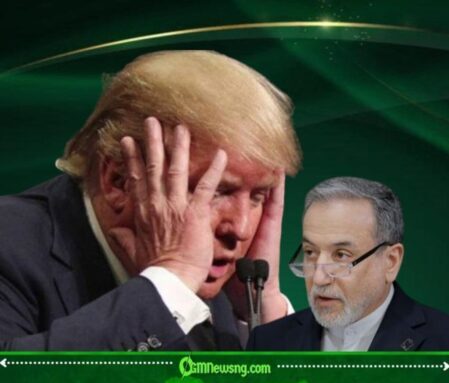
WASHINGTON, D.C. — President Donald J. Trump has reportedly suggested that the United States may have gone too far in targeting Iranian leaders, an apparent moment of reflection that has placed fresh attention on the strategy behind the prolonged conflict with Iran. The remarks come amid a war that has dramatically reshaped the region, raised questions about Iran’s leadership and complicated efforts to secure a lasting diplomatic settlement.
For an administration that has repeatedly projected military strength and confidence, acknowledging that a campaign may have crossed a line presents an intriguing political twist. After months of escalating hostilities, the question is whether this signals a genuine reassessment of Washington’s strategy or simply another adjustment in the president’s evolving approach to the conflict. Even the most determined military campaign can eventually produce a question that no amount of firepower can answer: What happens next?
President Trump Reconsiders the Limits of Targeting Iranian Leaders
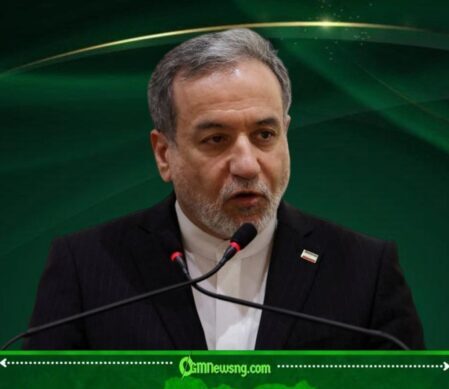
President Trump has previously discussed the consequences of attacks against Iran’s senior leadership. In July 2026, reporting indicated that American officials had warned Iran about Israeli plans to assassinate senior Iranian figures during earlier diplomatic efforts. Trump also expressed concern that Iranian negotiators could be killed, potentially complicating attempts to end the conflict. These developments highlight the difficult relationship between military operations and the search for a negotiated settlement.
The irony is difficult to ignore. A strategy designed to weaken an adversary’s leadership can also create uncertainty about who remains in control, who can negotiate and whether any eventual agreement will hold. In the diplomatic theatre, removing the people at the negotiating table may solve one problem while creating several new ones. The conference room, after all, becomes rather difficult to use when nobody knows who is supposed to sit in the chair.
President Trump Faces Questions Over the War’s Endgame
President Trump has also acknowledged uncertainty about Iran’s surviving leadership. In October 2026, he said that nobody appeared to know who was running the country, while Iranian officials disputed Washington’s portrayal of its leadership structure. The situation illustrates the potential complications of a campaign that has killed senior figures but has not automatically produced a clear path toward political stability or a lasting agreement.
For critics, the latest reported reflection raises an uncomfortable question: if targeting senior leaders carries consequences that extend beyond the battlefield, should the strategy have been reconsidered earlier? Supporters may argue that military pressure remains necessary to protect American interests and prevent Iran from acquiring nuclear weapons. Meanwhile, the public is left watching a conflict in which military calculations, diplomatic ambitions and the cost of continued fighting remain closely intertwined. Apparently, even the toughest foreign-policy strategy can eventually encounter an unexpected opponent: the consequences of its own success.
As the conflict continues to evolve, President Trump’s reported acknowledgment could intensify debate over the limits of military force, the protection of civilians and the prospects for renewed diplomacy. Whether this represents a meaningful change in strategy or a passing observation remains to be seen. OGM News NG will continue monitoring developments and bringing readers further updates as this consequential story unfolds.
Table of Contents
Discover more from OGM News NG
Subscribe to get the latest posts sent to your email.