






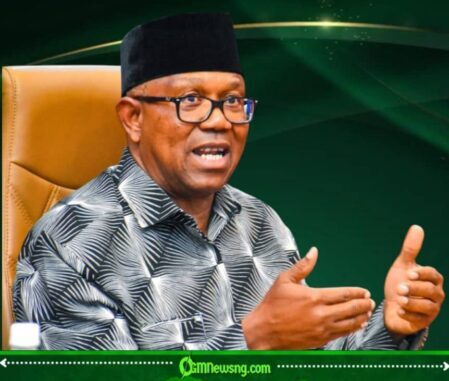
Governance Failures have become the center of a fierce political confrontation after Peter Obi urged President Bola Tinubu to resign, arguing that the administration has failed to adequately address Nigeria’s economic and governance challenges. The remarks immediately sparked national debate, drawing strong reactions from both supporters and critics while raising fresh questions about political accountability, democratic norms, and the limits of opposition criticism in a constitutional democracy.
The controversy intensified when the Presidency rejected the resignation demand, describing it as undemocratic and inconsistent with Nigeria’s constitutional order. While Obi’s comments resonated with many citizens frustrated by economic hardship, government officials argued that elected leaders derive legitimacy from the ballot box and remain accountable through established democratic institutions rather than public calls for resignation.
Tinubu Under Pressure as Opposition Escalates Criticism of Government Performance
The dispute emerged from Obi’s broader criticism of the Tinubu administration’s handling of economic and governance issues. According to Obi, the country continues to face significant challenges, including rising living costs, insecurity concerns, and widespread public dissatisfaction. He argued that leadership carries responsibility for national outcomes and suggested that resignation should be considered when governments fail to meet expectations.
The Presidency, however, strongly disagreed with that assessment. Officials maintained that while criticism remains a legitimate feature of democracy, demands for resignation outside constitutional mechanisms risk undermining democratic stability. They argued that President Tinubu was elected through a lawful process and retains the mandate to implement policies and reforms designed to address longstanding structural challenges facing Nigeria.
Obi Says Tinubu Has Failed Nigerians, Demands Immediate Resignation
The Resignation Call has also drawn attention to the broader political environment in Nigeria, where economic reforms have generated both praise and criticism. Since assuming office, President Tinubu’s administration has introduced major policy changes aimed at restructuring the economy. Supporters argue that some reforms require time before their benefits become visible, while critics contend that ordinary citizens are bearing the immediate costs without sufficient relief.
Political analysts note that opposition figures often use strong rhetoric to highlight public concerns and pressure governments into policy adjustments. At the same time, constitutional experts emphasize that democratic systems are designed to resolve political disagreements through elections, legislative oversight, judicial review, and other institutional mechanisms rather than through demands for executive resignation. The exchange between Obi and the Presidency therefore reflects not only disagreements over policy outcomes but also competing interpretations of political accountability in a democracy.
As the debate continues, Governance Failures and the controversial Resignation Call are likely to remain major themes in Nigeria’s political conversation. Whether the dispute leads to deeper scrutiny of government performance or simply strengthens partisan divisions remains to be seen. OGM News Nigeria will continue monitoring developments as political actors, citizens, and institutions shape the next chapter of this evolving national debate.
Table of Contents
Discover more from OGM News NG
Subscribe to get the latest posts sent to your email.