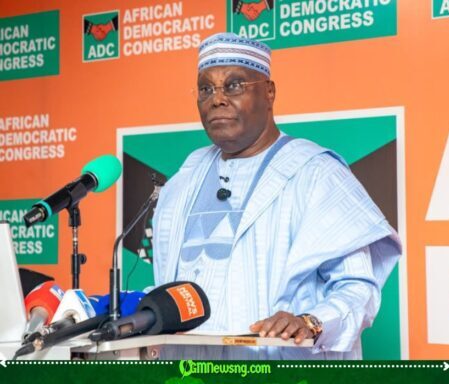

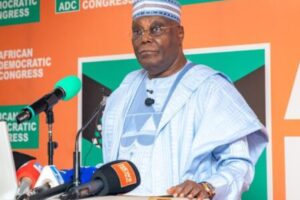


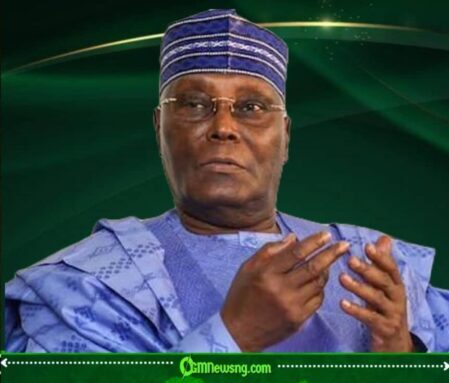
Former Vice President and African Democratic Congress (ADC) presidential candidate, Atiku Abubakar, has announced that his proposed fuel intervention will replace Nigeria’s old import-subsidy system with a production subsidy designed to support local refining and make life more affordable. The declaration has reopened Nigeria’s famous subsidy debate, where every promise of cheaper fuel arrives with a calculator, a political microphone and millions of Nigerians asking one question: “How much will I pay at the filling station?”
Atiku’s proposal, outlined under his Atiku Economic Recovery Plan (AERP) 2027, would support domestic refining, reduce production and transportation costs, and improve household purchasing power. In a September 11 clarification, he illustrated the idea using shoemakers in Aba: rather than subsidising imported shoes, government should support local producers to make affordable shoes at home.
Atiku Wants Fuel Subsidy Back, But This Time the Barrels Must Work
According to Atiku’s plan, government support would follow locally produced crude and refined petroleum products rather than imported petrol. His camp has proposed a targeted, capped, transparently budgeted and independently audited intervention, with measurable conditions for reducing the support as domestic refining expands and the market becomes more competitive.
In the satirical interpretation of the policy, Nigerian refineries may soon be treated like national treasures, with every barrel receiving an official escort from crude oil allocation to refinery gate and finally to the filling station. The only thing missing may be a presidential photographer documenting the historic journey of a subsidised litre of petrol. Whether this new arrangement will deliver cheaper fuel or simply create another queue for paperwork remains a question for the accountants.
Atiku Says Subsidy Must Follow the Barrel, Not Just the Political Campaign
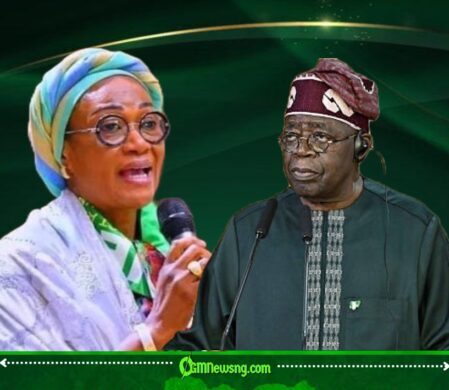
The proposal comes after President Bola Tinubu removed the petrol subsidy on May 29, 2023, a reform that pushed up fuel and transport costs but which the government has defended as necessary to improve public finances. Atiku’s current position is that government should support production instead of subsidising imported fuel.
Political opponents have questioned the wisdom and consistency of returning to subsidy, while Atiku’s camp says the plan is not a return to the old import regime. In the satirical newsroom, this means Nigerians may soon witness the biggest family meeting in the petroleum sector: import subsidy asking production subsidy why it has taken its seat, while the pump price quietly waits outside with a calculator.
Atiku says cheaper energy would reduce transport costs, help farmers move produce, support small businesses and give families more money after daily expenses. The promise is significant because fuel prices affect nearly every part of the economy. But the real test will be whether the policy can deliver measurable relief without reviving the waste and financial burdens associated with the old subsidy system.
Atiku Abubakar’s production subsidy proposal has placed fuel affordability, domestic refining and the cost of living at the centre of the 2027 political conversation. Whether Nigeria is heading towards an affordable economy or another season of subsidy arithmetic will depend on how the plan is funded, monitored and implemented. Nigerians should watch out for future updates on this developing story from OGM News NG.
Table of Contents
Discover more from OGM News NG
Subscribe to get the latest posts sent to your email.