


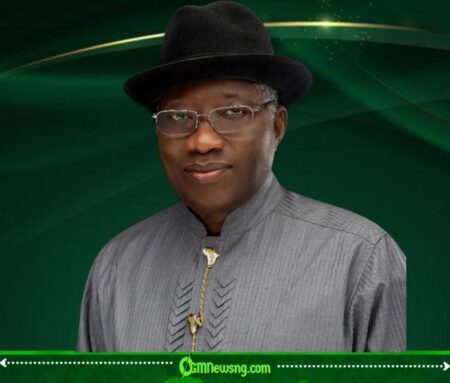
Jonathan 2027 speculation has returned to national conversation after the Archbishop Metropolitan and Primate of the Church of Nigeria (Anglican Communion), Most Rev. Henry Ndukuba, publicly advised former President Goodluck Jonathan to avoid returning to partisan politics ahead of the 2027 general elections. The warning, delivered during the First Session of the 13th Synod of the Diocese of Abuja, immediately sparked political tension, public debate, and renewed questions about whether Nigeria’s democracy is moving forward or simply recycling familiar names every election cycle.
Ndukuba argued that Jonathan’s reputation as a statesman was built largely on his peaceful concession of defeat during the 2015 presidential election, a moment widely viewed as one of the most significant democratic transitions in modern Nigerian history. According to the Anglican Primate, returning to active political contests could expose the former president to fresh partisan battles capable of weakening the image he currently enjoys both within Nigeria and internationally.
The statement arrives amid increasing rumours that some political actors may be considering Jonathan as a possible consensus candidate ahead of 2027. Although Jonathan has not officially declared any intention to contest, his name repeatedly surfaces during moments of political uncertainty and national dissatisfaction. This recurring speculation has kept the former president politically relevant despite years away from elective office.
For many Nigerians, the Jonathan 2027 conversation reflects a deeper national habit of revisiting familiar political figures whenever economic hardship or insecurity intensifies. Critics of the trend argue that Nigeria risks trapping itself in an endless cycle where leadership renewal becomes difficult because old political heavyweights continue to dominate public attention long after leaving office.
Ndukuba Cautions Jonathan Against Reopening Nigeria’s Political Wounds
The Anglican Primate’s intervention also highlights the growing involvement of religious voices in Nigeria’s political conversations. Religious leaders in the country frequently comment on governance, elections, and national unity, especially during periods of rising public tension. Ndukuba’s remarks therefore carried both spiritual symbolism and political significance, particularly because they touched on the sensitive issue of leadership succession ahead of another major election cycle.
Political observers note that Jonathan’s post-presidency image has remained relatively stable compared to many former African leaders. Since leaving office, he has participated in international mediation efforts and election observation missions across the continent, building a reputation as a democratic statesman rather than a confrontational political actor. That image explains why some public figures believe a return to partisan politics could complicate the legacy he has spent years rebuilding.
At the same time, supporters of a possible Jonathan comeback insist Nigeria’s current political and economic challenges justify discussions around experienced leadership. Rising living costs, insecurity concerns, and public frustration with governance have contributed to nostalgia among some citizens who now reassess past administrations differently from how they were viewed while in office. In Nigerian politics, public memory often changes faster than campaign posters disappear from roadside walls.
Light satire has also emerged around the controversy, with many Nigerians joking online that retired politicians in the country “never truly retire.” Beneath the humour, however, lies a serious national concern about whether the political system is creating enough opportunities for younger leaders and fresh ideas to emerge before the next presidential race gathers full momentum.
Jonathan 2027 discussions may continue for months regardless of whether the former president publicly declares interest in the race. For now, the Anglican Primate’s warning has added moral pressure to an already sensitive political issue, ensuring that every public appearance by Jonathan could now be interpreted as either statesmanship, strategic silence, or the early signs of another political chapter. OGM News Nigeria understands that political stakeholders will continue closely monitoring the former president’s movements as the road to 2027 gradually begins to take shape.
Table of Contents
Discover more from OGM News NG
Subscribe to get the latest posts sent to your email.