
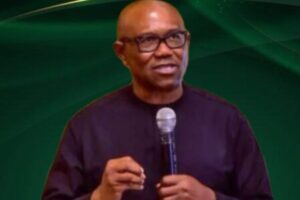

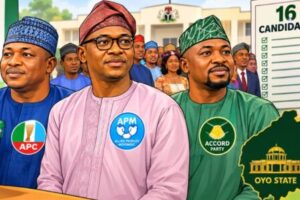




Peter Obi is confronting growing discussions about Northern Resistance as reports suggest that some northern political stakeholders and sections of the electorate are expressing reservations about his political ambitions ahead of the 2027 presidential contest. While the extent of the resistance remains difficult to quantify, the development has generated intense debate within opposition circles and among political observers who view northern support as a critical factor in any successful presidential campaign. The emerging situation raises a pressing question: can Obi transform national popularity into a coalition broad enough to overcome Nigeria’s complex regional political realities?
Northern Resistance To Peter Obi
The reports come at a time when opposition politics in Nigeria are undergoing rapid realignment. Several political actors have spent recent months exploring alliances, mergers, and strategic partnerships aimed at presenting a stronger challenge to President Bola Tinubu in the next election cycle. However, disagreements over candidate selection, regional balancing, and power-sharing arrangements have repeatedly complicated those efforts. Recent political developments have also highlighted divisions within opposition camps, with some prominent figures pursuing separate political paths rather than a unified front.
Within this environment, Northern Resistance has become a topic of discussion among political stakeholders. Some northern political figures have publicly questioned whether support across the region can be consolidated behind Obi, while others have advocated alternative political calculations. At the same time, reports indicate that various northern leaders have continued consultations with different opposition figures, demonstrating that regional political interests remain highly competitive and far from settled.
Political Calculations Concerning Peter Obi
Additional context suggests that the situation is more nuanced than a simple rejection narrative. Over the past year, multiple reports have pointed to efforts by Obi and allied politicians to engage northern leaders through negotiations involving coalition-building, governance priorities, and possible power-sharing arrangements. Some stakeholders reportedly view Obi as a viable national figure, while others remain cautious about electoral arithmetic, regional influence, and long-standing political loyalties.
Political analysts also note that opposition fragmentation remains one of the biggest challenges facing any candidate seeking to unseat an incumbent president. Recent developments have seen major opposition alliances weakened by internal disagreements, creating uncertainty about whether a united alternative can emerge before the election. For Obi, this means that expanding support in northern states may depend not only on voter outreach but also on successfully navigating relationships with influential political actors whose endorsements often shape broader electoral dynamics.
As the political landscape continues to evolve, Peter Obi and the issue of Northern Resistance are likely to remain central themes in discussions about the 2027 presidential race. Whether the current resistance represents a temporary bargaining phase, a strategic political negotiation, or a deeper electoral challenge will become clearer in the months ahead. OGM News Nigeria will continue monitoring developments as stakeholders across the country reposition for what is already shaping up to be one of Nigeria’s most closely watched political contests.
Table of Contents
Discover more from OGM News NG
Subscribe to get the latest posts sent to your email.