







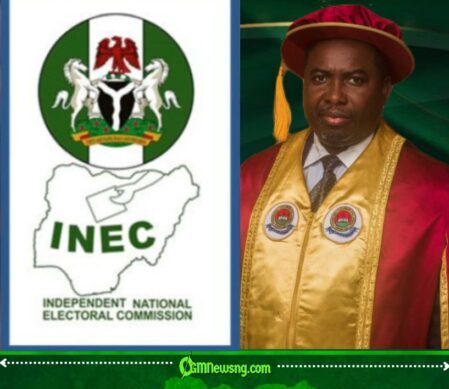
CVR extension, INEC has once again shifted the electoral calendar, announcing a two-week extension of the Continuous Voter Registration exercise alongside the launch of a new online self-service registration platform. The move, while welcomed by some as progressive, has also sparked quiet skepticism about readiness, capacity, and long-term electoral integrity.
The announcement comes at a politically sensitive time as Nigeria continues to grapple with voter apathy, logistical bottlenecks, and recurring debates over electoral credibility. The Commission insists the reforms are part of a broader push toward inclusiveness and technological modernization ahead of future elections.
Digital Expansion of the Voter Roll Exercise
The Independent National Electoral Commission (INEC) confirmed that the voter registration exercise, initially scheduled to end on July 10, 2026, will now continue until July 24, 2026. Officials say the decision followed consultations with state offices, political parties, and civil society stakeholders who raised concerns about access and turnout.
The extension is intended to give millions of eligible Nigerians additional time to complete registration, especially those who were unable to access physical centres due to distance, work schedules, or administrative delays. INEC maintains that the goal is to ensure a more representative voter register.
CVR extension, according to the Commission, is also being positioned as a bridge between traditional registration methods and a new digital era. It reflects a broader ambition to modernize civic participation in a country where electoral participation has often been hindered by logistical constraints.
In a major innovation, INEC has introduced a fully online self-service registration platform accessible via its official portal. The system allows eligible first-time voters to complete registration, including biometric capture, using personal devices without physically visiting INEC offices.
The Commission says the platform includes identity verification tools, biometric validation, and backend security checks designed to prevent fraud and maintain the integrity of the national register. Officials describe it as a “game-changer,” though experts caution that its success will depend on infrastructure stability and public digital literacy.
Technology, Trust, and Electoral Integrity Concerns
Despite the optimism, analysts warn that digitizing voter registration in a country with uneven internet access could deepen existing inequalities. Urban residents may benefit immediately, while rural communities risk being left behind if access issues are not properly addressed.
CVR extension in this context is being viewed by some political observers as both a relief measure and a stress test for Nigeria’s electoral system. The success or failure of the initiative may shape public confidence ahead of future elections. Globally, digital voter systems have delivered mixed results, with countries experiencing both improved efficiency and new cybersecurity challenges.
Experts argue that Nigeria’s implementation will require continuous monitoring, strong data protection frameworks, and rapid technical support systems.
Interestingly, even international political rhetoric has entered the conversation, with some commentators drawing comparisons to electoral debates in the United States under President Donald J. Trump, where voting systems and electoral trust remain frequent political flashpoints. While contexts differ, the underlying concerns about credibility and transparency remain strikingly similar.
CVR extension, ultimately, represents more than just an administrative update—it signals Nigeria’s attempt to balance inclusivity with innovation in a rapidly digitizing world. Whether this bold step becomes a landmark reform or another cautionary tale will depend on execution, public trust, and the system’s resilience under pressure. As the deadline approaches, attention now turns to how effectively INEC can manage both physical and digital registration streams without glitches, delays, or public backlash. The coming weeks are expected to serve as a real-time audit of Nigeria’s electoral preparedness.
Table of Contents
Discover more from OGM News NG
Subscribe to get the latest posts sent to your email.