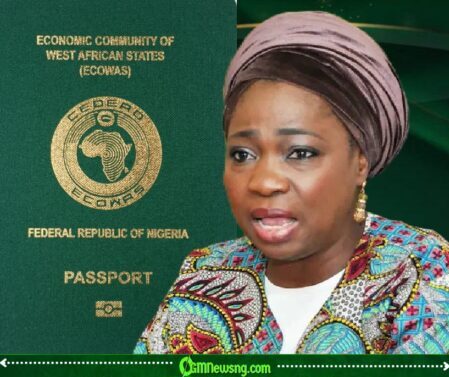










INEC Appeal has pushed Nigeria’s preparations for the 2027 general election into fresh uncertainty after the electoral commission formally challenged a Federal High Court judgment that nullified parts of its revised Election Guidelines. The decision to appeal signals a determined effort by the commission to preserve what it considers vital administrative powers, but it also raises urgent questions about the legal limits of electoral authority and the balance between regulation and overreach.
The controversy has quickly evolved beyond procedural disagreements, transforming into a high-stakes institutional contest that could influence not only election planning but public confidence in Nigeria’s democratic framework. As political parties reposition and legal experts dissect the arguments, the judiciary may now decide how much control INEC can truly exercise before voters ever cast a ballot.
Authority On INEC Appeal
The current dispute began after the Federal High Court in Abuja ruled that INEC exceeded its statutory powers by imposing deadlines on political parties concerning primary elections, candidate nominations, and the submission of membership registers. Justice Mohammed Umar held that while INEC may monitor and receive official notices from political parties, the Electoral Act does not grant it authority to dictate timelines that effectively shorten legal deadlines established by statute.
In response, INEC Appeal papers filed before the Court of Appeal argue that the lower court adopted an overly narrow interpretation of relevant provisions of the Electoral Act 2026. The commission maintains that structured timelines are essential for effective election management and claims the judgment could undermine administrative coordination ahead of the 2027 polls. INEC has also requested a stay of execution, seeking to suspend the effects of the ruling while the appeal is considered.
Implications Towards INEC Appeal
The legal dispute could have significant consequences for political parties preparing for the next general election. Without clear Election Guidelines, parties may face uncertainty over internal deadlines, nomination procedures, and compliance expectations. For smaller political parties, however, the original court judgment has been viewed as a victory against what they perceive as excessive administrative pressure from the electoral commission.
Beyond immediate political logistics, the INEC Appeal highlights a broader democratic tension in Nigeria: how to balance institutional efficiency with strict legal accountability. Election management bodies require authority to coordinate complex national processes, yet courts remain essential in preventing administrative actions that exceed statutory limits. The final appellate decision may therefore establish an important precedent for future electoral governance and clarify the legal boundaries of INEC’s regulatory power.
As Nigeria moves closer to 2027, this courtroom battle may prove to be the first major test of the election cycle. Whether the Court of Appeal restores the disputed Election Guidelines or upholds the lower court’s restrictions, the outcome will shape political strategy, public confidence, and the operational roadmap for one of Africa’s most closely watched democracies. OGM News Nigeria will continue monitoring this evolving INE Appeal and its implications for Nigeria’s democratic future.
Table of Contents
Discover more from OGM News NG
Subscribe to get the latest posts sent to your email.