






Blood Donation has moved to the forefront of public health discussions after First Lady Oluremi Tinubu marked World Blood Donor Day by urging young Nigerians to voluntarily donate blood at public hospitals nationwide. While the appeal may sound simple, it touches on a critical issue that affects emergency care, surgeries, maternal health services, and the treatment of numerous medical conditions across the country. The call has also reignited debate about whether Nigeria can build a stronger culture of regular voluntary donations to meet growing healthcare demands.
Nationwide Appeal Seeks More Voluntary Blood Donors for Public Hospitals
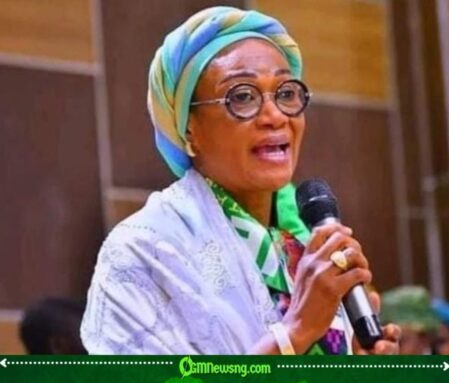
The First Lady used the occasion of World Blood Donor Day to encourage Young Nigerians to view Blood Donation as a civic responsibility capable of saving lives. She emphasized that regular donations can help strengthen the nation’s blood supply and ensure that hospitals have access to lifesaving resources when emergencies arise. Her message focused on voluntary participation rather than crisis-driven donations, reflecting international public health recommendations that prioritize regular donors.
The appeal arrives at a time when many healthcare institutions continue to depend significantly on family replacement donations whenever patients require blood. Medical experts have consistently noted that voluntary and repeat donors help create more stable blood reserves and improve availability during emergencies. Through her remarks, the First Lady highlighted the direct connection between Blood Donation and improved healthcare outcomes for citizens across the country.
Blood Supply Concerns Expose Longstanding Challenges in Nigeria’s Health Sector
The significance of Blood Donation extends beyond annual awareness campaigns. Global health organizations have long emphasized that maintaining adequate blood supplies remains essential for treating trauma victims, supporting complex surgeries, managing severe anemia, and addressing complications during childbirth. Countries that successfully build large pools of voluntary donors are generally better positioned to respond to healthcare emergencies and routine medical needs alike.
For Young Nigerians, the appeal presents an opportunity to contribute directly to a public health challenge that affects communities nationwide. Awareness campaigns around World Blood Donor Day frequently stress that donated blood cannot be artificially produced and must come from eligible donors willing to participate regularly. As Nigeria continues efforts to strengthen healthcare delivery, increased public participation in Blood Donation initiatives may become an important measure of how effectively awareness can be transformed into sustained action.
The conversation surrounding Blood Donation is likely to continue well beyond World Blood Donor Day. Whether the First Lady’s appeal results in a measurable increase in voluntary donors remains to be seen, but the message has already succeeded in drawing attention to a healthcare resource that hospitals rely on every day. OGM News Nigeria will continue monitoring developments, public response, and initiatives aimed at encouraging more Young Nigerians to support lifesaving blood donation efforts nationwide.
Table of Contents
Discover more from OGM News NG
Subscribe to get the latest posts sent to your email.