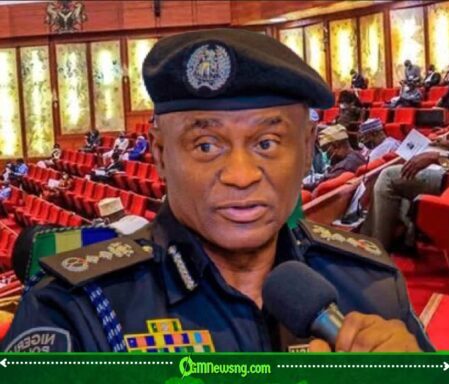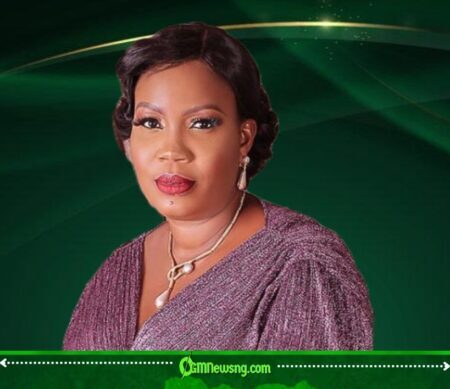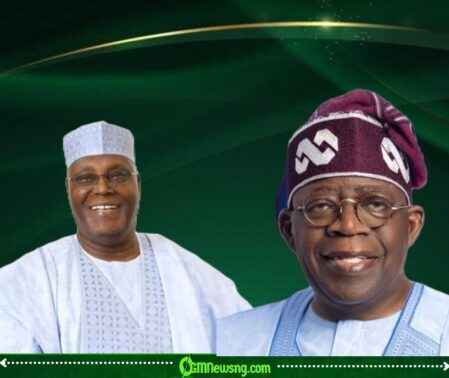


The APC Primaries have once again thrown Nigeria’s political landscape into intense calculation and controversy, after governorship candidates emerged in Abia, Adamawa, Kwara and Nasarawa amid rising tensions inside the ruling party. While supporters described the victories as democratic milestones, critics within several camps privately questioned the transparency of the process and the growing influence of entrenched political power brokers ahead of the party’s presidential primary. The emergence of Gregory Opah, Umar Galadima, Salihu and Aliyu Wadada has now intensified conversations about loyalty, regional influence and internal survival inside one of Nigeria’s most dominant political structures.
Power Struggle Amidst people Choice
The APC Primaries produced dramatic victories across multiple states as delegates gathered to determine who would carry the party’s governorship flags into the next electoral cycle. In Abia, Gregory Opah reportedly secured the confidence of delegates after weeks of consultations and strategic alignment among influential party stakeholders. Similar political maneuvering played out in Adamawa, Kwara and Nasarawa, where rival camps battled aggressively for relevance before the final announcements were made.
Observers within the party say the contests reflected a broader struggle for control ahead of the APC presidential primary, which many insiders believe could reshape political alliances across Nigeria. Several aspirants who failed to secure tickets were said to be weighing their options quietly, including possible defections or legal challenges. Across social media platforms, Nigerians reacted with a mixture of excitement, sarcasm and skepticism, with many questioning whether internal democracy inside major political parties remains truly independent from elite influence and political bargaining.
Repositioning And Gaining Political Balancing
The APC Primaries are unfolding at a politically sensitive moment for Nigeria, as economic hardship, fuel price debates and growing public dissatisfaction continue to dominate national conversations. Analysts note that governorship contests are increasingly becoming strategic battlegrounds because governors control significant political structures, state resources and delegate influence capable of shaping future presidential calculations.
Meanwhile, the emergence of Farah Dagogo as the ADC governorship candidate in Rivers State signals that opposition movements are also repositioning aggressively ahead of future elections. Rivers politics has remained volatile following prolonged disputes among major political actors in the state, and Dagogo’s candidacy may further complicate calculations among competing camps. Political analysts believe smaller parties are now attempting to capitalize on public frustration with both the APC and the PDP by presenting themselves as alternatives, although questions remain over their nationwide organizational strength.
The APC Primaries have therefore become more than ordinary internal contests. They now represent a broader struggle over who controls the direction of Nigeria’s political future as alliances shift quietly behind closed doors. For many Nigerians, the outcome of these ticket battles may offer an early preview of the larger political confrontations expected before the next general elections. OGM News Nigeria will continue monitoring developments surrounding the APC presidential primary, possible defections and emerging coalition talks likely to reshape the country’s political atmosphere in the coming months.
Table of Contents
Discover more from OGM News NG
Subscribe to get the latest posts sent to your email.