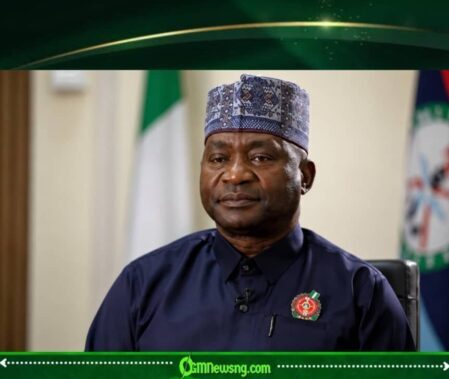


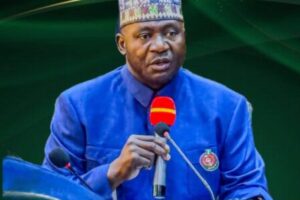
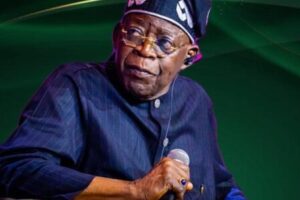
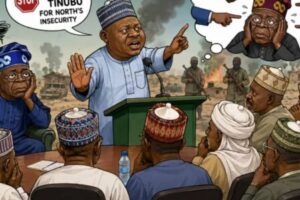


Food Crisis has once again become the center of Nigeria’s political conversation after Peter Obi accused President Bola Tinubu’s administration of allowing Northern Nigeria’s worsening hunger situation to deepen through poor governance, insecurity, and ineffective economic management. The remarks have intensified public debate over whether the country’s growing food insecurity is primarily the consequence of leadership decisions or the product of broader security and economic challenges confronting Africa’s largest economy.
Governance on Trial as Obi Declares Hunger Is the Product of Leadership Failure
Peter Obi argued that Northern Nigeria possesses enormous agricultural potential capable of feeding much of the country, yet persistent insecurity, policy failures, and weak governance have prevented farmers from cultivating their land safely. According to him, the worsening food crisis cannot simply be blamed on external economic pressures when millions of hectares of fertile farmland remain underutilized because of violent attacks, displacement, and inadequate government protection.
The criticism reflects a broader political argument that economic reforms alone cannot guarantee food security without restoring safety in farming communities. Obi maintains that leadership should prioritize practical solutions capable of reducing hunger, improving agricultural productivity, and rebuilding public confidence. His latest comments add to an increasingly vocal campaign questioning the effectiveness of the Tinubu administration’s handling of insecurity and the economy.
Food Crisis Sparks Political Firestorm After Obi Rejects Government Excuses
The Food Crisis facing Northern Nigeria has also drawn growing concern from humanitarian organizations. The World Food Programme recently warned that more than 17 million people across conflict-affected northern states are experiencing acute food insecurity, with violence by insurgents and armed groups preventing farming, displacing communities, and limiting humanitarian access during the lean season. Funding shortages have further complicated relief efforts, leaving many vulnerable households with fewer sources of assistance.
Beyond political disagreements, analysts widely acknowledge that insecurity, inflation, displacement, climate pressures, and economic reforms have all contributed to higher food prices and declining agricultural output. While the Federal Government has introduced agricultural mechanisation programmes and other interventions aimed at boosting production, critics continue to question whether these measures can succeed without significantly improving security for farmers and stabilising rural communities.
The growing debate illustrates how food security has become both a humanitarian concern and a defining political issue in Nigeria. As pressure mounts on policymakers to deliver measurable improvements, OGM News Nigeria will continue monitoring developments, official responses, and independent assessments of efforts aimed at reducing hunger and restoring confidence in the country’s agricultural future.
Table of Contents
Discover more from OGM News NG
Subscribe to get the latest posts sent to your email.