







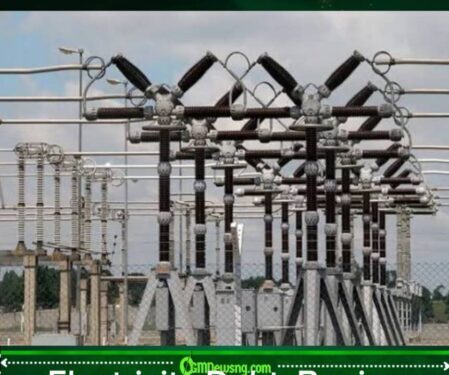
Nigeria’s Electricity Debt challenge has taken on a fresh regional dimension after new regulatory findings showed that Benin, Togo and Niger owe about ₦17.45 billion for electricity supplied during the first quarter of 2026. The revelation has intensified public debate over the sustainability of Nigeria’s cross-border power exports, especially at a time when many Nigerians continue to experience unreliable electricity supply. While regional energy cooperation remains an important policy objective, the latest figures have prompted renewed questions about accountability, payment enforcement and the long-term financial health of Nigeria’s electricity market.
Electricity Debt Increase In Nigeria As Neighborhoods Country Enjoys Power Supply
According to the latest quarterly report released by the Nigerian Electricity Regulatory Commission (NERC), international bilateral electricity customers paid only a small portion of the invoices issued for electricity supplied during the review period, leaving an outstanding balance valued at approximately ₦17.45 billion. The report showed that payment performance from the international customers was significantly weaker than that recorded by most domestic bilateral customers.
The report also provided a breakdown showing that some suppliers serving customers in Benin and Togo recorded no payments for the quarter, while others made only partial remittances. Niger’s electricity utility achieved a comparatively stronger payment performance than the others but still did not settle its full invoice. NERC further noted that some payments were made toward debts accumulated during previous quarters, although substantial outstanding balances remain.
Electricity Debt Grow Bigger As Nigerian Exports Power
Nigeria’s Power Exports to neighbouring West African countries operate under bilateral agreements designed to promote regional electricity integration and strengthen economic cooperation. However, recurring payment shortfalls have become a persistent concern for the Nigerian Electricity Supply Industry, where liquidity constraints continue to affect investment, infrastructure maintenance and electricity generation.
The latest figures continue a trend observed in previous NERC reports, which have repeatedly documented outstanding debts from some international electricity customers across multiple reporting periods. Analysts note that while regional electricity trade can generate revenue and strengthen diplomatic ties, consistent payment enforcement is essential to ensure that electricity suppliers recover costs and maintain stable operations. The issue also highlights the broader challenge of balancing regional commitments with Nigeria’s domestic electricity needs, where businesses and households continue to demand more reliable power.
As discussions continue, attention is likely to focus on how regulators, market operators and participating governments strengthen contractual compliance while preserving regional energy cooperation. OGM News Nigeria will continue monitoring developments surrounding the outstanding Electricity Debt, possible debt recoveries and any policy changes affecting Nigeria’s future Power Exports.
Table of Contents
Discover more from OGM News NG
Subscribe to get the latest posts sent to your email.