



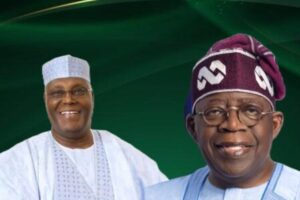

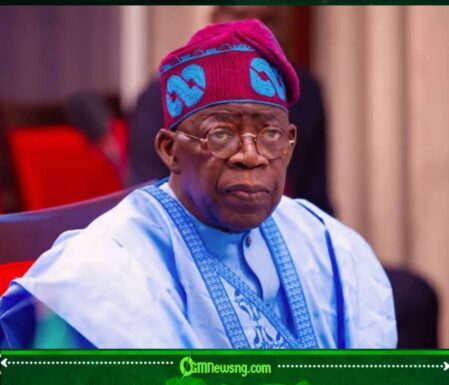
National Honours have once again become one of Nigeria’s loudest political conversations after President Bola Tinubu reportedly conferred a record 1,062 honours within three years in office, a development that has generated applause from supporters and sharp criticism from opponents who argue that the country’s once-exclusive recognition system is rapidly becoming overcrowded.
The scale of the honours distribution has surprised many observers, especially as recent Democracy Day ceremonies saw activists, politicians, entertainers, pro-democracy figures, and posthumous recipients added to the growing national list. While the Presidency portrays the honours as overdue recognition for citizens who contributed to Nigeria’s development and democratic journey, critics insist the increasing volume risks turning prestigious national awards into routine political decorations. Across social media, Nigerians responded with satire, with some joking that “Nigeria may soon need a Ministry of Honours Management.”
Recognition On National Honours
The latest honours wave gained even more attention after President Tinubu used the Democracy Day platform to recognise several prominent figures connected to Nigeria’s democratic struggle and civil rights history. Among the most notable decisions was the posthumous recognition and pardon granted to environmental activist Ken Saro-Wiwa and members of the Ogoni Nine, nearly three decades after their execution under military rule.
Additional honours were also conferred on respected names linked to Nigeria’s pro-democracy movement, including Nobel Laureate Wole Soyinka, Bishop Matthew Kukah, Kudirat Abiola, Shehu Musa Yar’Adua, and several late activists who played major roles during the June 12 era. The administration described the move as part of a broader effort to preserve democratic memory while rewarding sacrifice and patriotism.
Government officials have defended the numbers by explaining that the National Honours Award Committee reportedly reviewed thousands of nominations before selecting recipients. Reports indicate that nearly 5,000 submissions were screened for the 2024 and 2025 honours cycle alone, eventually producing hundreds of approved awardees and special recognitions.
Prestige On National Honours
Despite official explanations, the growing number of recipients has reopened old debates about whether Nigerian national honours still carry the exclusivity they once represented. Several critics argue that awards traditionally reserved for extraordinary national service are now increasingly influenced by politics, proximity to power, and public visibility rather than measurable impact.
Public conversations intensified further after controversies emerged around certain award categories and rankings. In one widely discussed case, a former minister reportedly received a lower honour years after previously obtaining a higher national title under another administration, triggering confusion about consistency within the honours structure. That incident fuelled online criticism from Nigerians who believe the system lacks transparency and clear standards.
Nigeria News Today
At the same time, supporters of the administration insist the criticisms ignore the importance of recognising neglected contributors to Nigeria’s democratic evolution. Some analysts note that previous governments were also accused of politicising honours, arguing that Tinubu’s administration is simply expanding inclusion rather than inventing a new pattern. Others believe the latest honours strategy reflects an attempt to strengthen political alliances while simultaneously rewriting parts of Nigeria’s democratic narrative.
The larger question now confronting Nigerians may not simply be who receives national honours, but whether the country still agrees on what those honours truly represent. As more names continue to enter the prestigious register, OGM News Nigeria understands that debates around merit, symbolism, politics, and historical justice are unlikely to disappear anytime soon. Future honours lists may therefore attract even greater scrutiny from citizens eager to determine whether national recognition still means exceptional distinction — or merely national visibility.
Table of Contents
Discover more from OGM News NG
Subscribe to get the latest posts sent to your email.