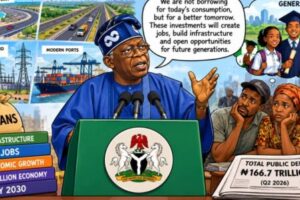

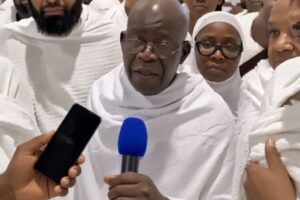



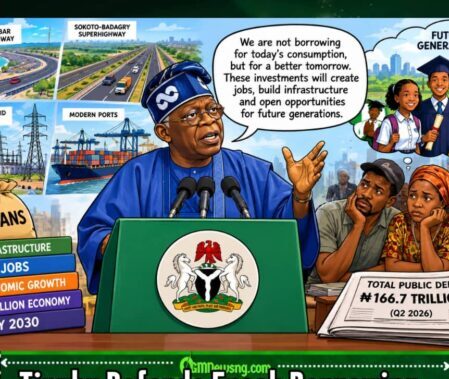
President Bola Ahmed Tinubu don talk say Nigeria no suppose judge government borrowing based on how much money dem borrow, but wetin dem use the money build and the value wey e go create for future generations. According to the President, fresh loans from international financial institutions and banks go support major infrastructure projects, create employment opportunities and help Nigeria achieve e ambitious $1 trillion economy target by 2030. But as government dey explain the benefits of borrowing, many Nigerians still dey ask one important question: if na future generations go enjoy the investment, wetin happen to the present generation wey dey struggle with the cost of living?
TINUBU SAYS BORROWING NA INVESTMENT, NO BE MONEY FOR CHOP
For an essay titled From Reforms to Delivery: Our Infrastructure Investment and Growth Strategy, Tinubu defend the administration’s borrowing plans against criticism from opposition politicians and other concerned Nigerians. E explain say the real question no be how much Nigeria borrow, but wetin government build, the economic value wey the projects create and the kind future wey dem leave behind.
The President mention projects like Lagos-Calabar Coastal Highway, Sokoto-Badagry Superhighway, Trans-Sahara Superhighway, electricity grid upgrades and modernisation of important commercial ports for Lagos as some of the major investments wey go benefit the country. According to am, these projects fit reduce transportation costs, improve trade, attract investors and create thousands of direct and indirect jobs. In short, government believe say borrowing today fit produce economic opportunities tomorrow. But Nigerians go also like make tomorrow no take too long to arrive.
Meanwhile, Tinubu maintain say Nigeria’s ambition to become a $1 trillion economy by 2030 require serious investment in infrastructure, education, healthcare and vocational training. E also argue say the economic reforms introduced since 2023 don help improve the country’s financial position and attract international confidence. The President say responsible borrowing, combined with proper project execution, fit strengthen the economy and create opportunities for generations wey never even enter the labour market.
NIGERIANS WANT TO SEE PROJECTS AS TINUBU SAYS
But as the President dey defend fresh loans, the country’s borrowing position remain important part of the national conversation. According to Nigeria’s Debt Management Office, the country’s total public debt don reach approximately ₦166.7 trillion as of the second quarter of 2026, according to figures published by the Federal Ministry of Finance. This kind figure naturally dey raise questions about repayment obligations, government revenue and how much money go remain for other important public services.
The Nigeria Labour Congress and opposition figures don also raise concerns about the justification for additional borrowing, especially when Nigerians still dey face serious economic pressure. Critics want government to provide clear information about project costs, repayment schedules and how the borrowed money go translate into visible improvements. After all, Nigerians no wan hear say dem borrow money to build better future only to discover say na repayment responsibility dem inherit without enough completed projects to show for am.
Tinubu, however, insist say the government dey move borrowing away from short-term spending towards investments wey go generate economic returns. E also say longer-term financing arrangements go help match loan repayment periods with the useful lifespan of infrastructure projects, thereby reducing refinancing pressure. The administration say the real measure of success go be completed projects, increased investment, employment opportunities and improved living standards, rather than the amount of money government successfully borrow.
As Nigeria dey prepare for the economic future wey Tinubu dey promise, one major challenge remain: turning borrowed money into visible development wey ordinary citizens fit experience. Government don explain wetin e wan achieve, but Nigerians go judge the investment through completed roads, reliable electricity, better jobs and improved living conditions. For now, the national borrowing debate no be only about how much Nigeria owe, but whether the benefits go justify the financial responsibility wey future generations go inherit. Make una watch out for further updates as OGM News Pidgin go continue to monitor the matter.
Table of Contents
Discover more from OGM News NG
Subscribe to get the latest posts sent to your email.