

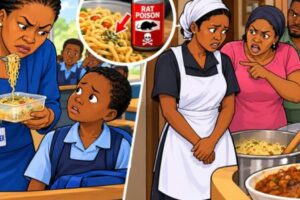





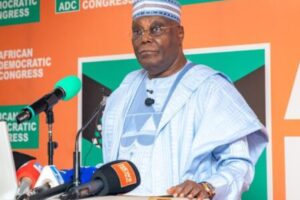


Security has once again taken centre stage in Nigeria’s national conversation after former Labour Party presidential candidate Peter Obi criticised political leaders for focusing on election preparations while abducted schoolchildren remain in captivity. His remarks come amid public concern over recent kidnappings involving pupils and teachers, raising uncomfortable questions about national priorities and whether political calculations are beginning to overshadow urgent security challenges.
The comments have generated widespread debate because they touch on two issues dominating public discourse: the safety of citizens and the growing political manoeuvring ahead of the 2027 elections. While political actors continue to build alliances and prepare strategies, many affected families remain focused on a far more immediate concern—the safe return of their loved ones.
Security Concerns Overshadow Early Political Activities Ahead of 2027
Peter Obi argued that the continued captivity of schoolchildren reflects a troubling disconnect between political activity and the realities faced by ordinary Nigerians. He maintained that leaders entrusted with protecting citizens should be devoting greater attention to securing communities, rescuing victims, and preventing future attacks rather than concentrating on electoral calculations.
His criticism follows a series of statements in which he has repeatedly warned that insecurity remains one of Nigeria’s most pressing challenges. Obi has previously described the country as being under severe pressure from kidnappings, banditry, and attacks on communities, arguing that public safety must take precedence over political competition. Recent reports of abducted pupils and teachers in Oyo and Borno states have further strengthened concerns about the vulnerability of schools and the emotional toll on families waiting for the return of their children.
Captivity and the Wider National Debate
The issue extends beyond a single political statement. Recent reports indicate that dozens of schoolchildren have remained in captivity following separate attacks, while civil society groups, activists, and community organisations continue demanding stronger government action. Public demonstrations have also emerged in response to the slow pace of progress perceived by some citizens.
At the same time, the Federal Government has insisted that rescue efforts remain active. President Bola Tinubu has publicly assured affected families that abducted children and teachers have not been forgotten, directing security agencies to intensify operations and reaffirming that no child belongs in captivity. The administration has also expressed condolences to victims’ families and pledged continued efforts toward securing the release of those still held by kidnappers.
The controversy arrives as Nigeria’s political environment gradually shifts toward the 2027 election season. Obi himself has recently confirmed plans to seek the presidency again, while other major political figures are also positioning themselves for the next contest. Against this backdrop, his comments highlight a broader tension between political ambition and public expectations that leaders address immediate challenges such as insecurity, education, and economic hardship.
For many Nigerians, the debate is no longer simply about politics. It is about whether Security can become the nation’s unquestioned priority while children remain in Captivity. As rescue operations continue and political activities intensify, OGM News Nigeria will monitor developments closely and provide further updates on both the humanitarian and political dimensions of this evolving story.
Table of Contents
Discover more from OGM News NG
Subscribe to get the latest posts sent to your email.