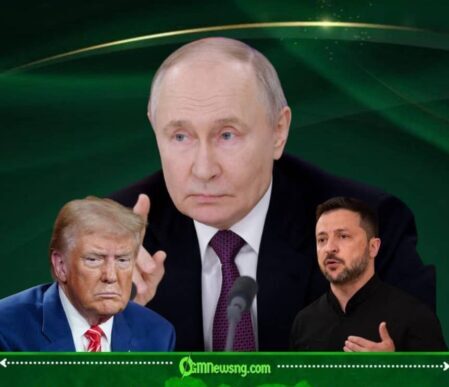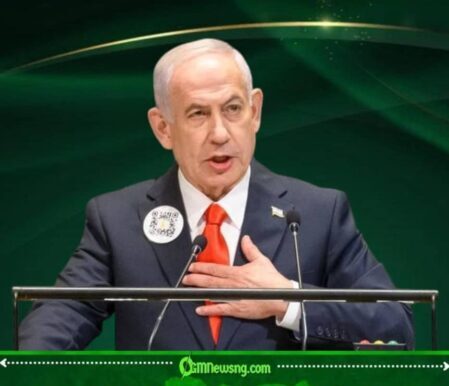







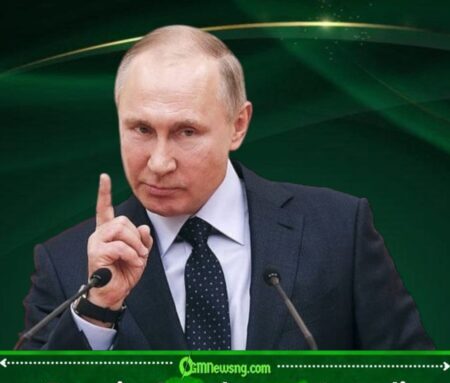
Russia has strongly condemned what it describes as Israeli aggression against Iran and Lebanon, calling for an immediate halt to military operations and a return to diplomatic solutions. The statement comes amid escalating violence in the region, where recent strikes have intensified fears of a broader conflict. Moscow’s position reflects its longstanding stance on the need to prevent further destabilization in the Middle East.
Recent developments have underscored the urgency of the situation, with reports of heavy airstrikes in Lebanon causing significant casualties and destruction. International observers have warned that continued escalation could undermine fragile ceasefire efforts and worsen humanitarian conditions.
Russia’s call for restraint aligns with similar appeals from global organizations urging all parties to prioritize civilian safety and de-escalation. The growing international concern highlights the potential for the conflict to expand if immediate action is not taken.
Diplomatic Pressure and Calls for De-escalation
Russia has emphasized the importance of diplomacy as the only viable path forward, urging both Israel and its allies to reconsider military strategies in favor of negotiations. Officials have pointed to the risks of prolonged conflict, including economic disruption and regional instability.
The Kremlin’s position reflects broader concerns about the humanitarian impact of ongoing operations, particularly in densely populated areas. Civilian casualties and infrastructure damage have become central issues in the international response.
Analysts suggest that Russia’s statements are part of a wider effort to position itself as a key diplomatic actor, advocating for multilateral engagement and conflict resolution through established international frameworks.
Russia and Regional Stability Concerns
Russia has reiterated that continued military aggression risks pushing the region toward a wider and more dangerous confrontation, potentially involving multiple state and non-state actors. This warning comes as tensions remain high despite limited ceasefire arrangements.
Recent reports indicate that while some ceasefire agreements have been reached, they do not fully extend to all areas of conflict, particularly Lebanon, where hostilities continue.
This fragmented approach to ceasefires has raised concerns among diplomats, who argue that partial agreements may fail to address the root causes of the conflict and could lead to further escalation.
International Reactions and Divided Opinions
Russia has drawn mixed reactions from the global community with its strong condemnation of Israeli actions. Some countries have echoed calls for restraint, while others have defended Israel’s right to respond to security threats.
The United Nations and other international bodies have expressed alarm over the scale of recent violence, highlighting the need for accountability and adherence to international law.
The divergence in global responses underscores the complexity of the situation, as geopolitical interests and alliances continue to shape the narrative surrounding the conflict.
Humanitarian Impact and Civilian Concerns
Russia has pointed to the humanitarian consequences of ongoing strikes, emphasizing the need to protect civilians and ensure access to essential services. The destruction of infrastructure and displacement of populations have added to the urgency of finding a resolution.
Reports from affected areas describe widespread damage and significant loss of life, with humanitarian organizations calling for increased support and intervention. The situation remains critical as aid efforts struggle to keep pace with the needs on the ground.
The focus on humanitarian issues has become a central aspect of international discussions, with calls for immediate action to alleviate suffering and prevent further casualties.
Path Toward Resolution
Russia has urged all parties to engage in meaningful dialogue aimed at achieving a comprehensive and lasting ceasefire. The emphasis on diplomacy reflects a broader recognition that military solutions alone are unlikely to resolve the conflict.
The coming weeks are expected to be crucial, as diplomatic efforts intensify and stakeholders seek to build on existing agreements. The involvement of multiple international actors may play a key role in shaping the outcome.
Ultimately, the situation remains highly volatile, with the potential for both progress and further escalation. Russia’s call for restraint highlights the urgent need for coordinated action to restore stability and prevent a wider crisis.
Table of Contents
Discover more from OGM News NG
Subscribe to get the latest posts sent to your email.