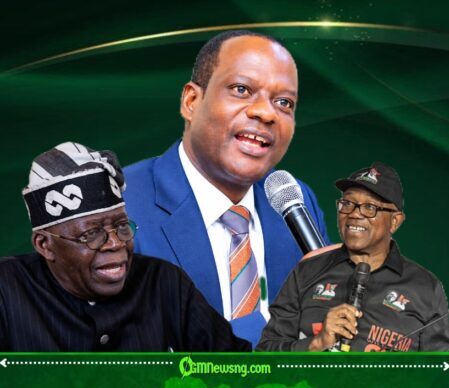









Prof. Josiah Amupitan, the Chairman of the Independent National Electoral Commission (INEC), has raised serious concerns about the growing influence of misinformation ahead of Nigeria’s 2027 general elections. Speaking during a stakeholders’ engagement, Prof. Josiah Amupitan described falsehoods—especially those spread rapidly through media platforms—as the most dangerous weapon capable of destabilizing the electoral process. He emphasized that misinformation has the power to shape public opinion in ways that could undermine trust in democratic institutions.
According to Prof. Josiah Amupitan, the digital age has made it increasingly difficult to control the spread of unverified information. Social media platforms, blogs, and even some traditional media outlets have become channels through which misleading narratives can quickly gain widespread attention. He warned that such trends, if not curtailed, could create confusion among voters and weaken confidence in the electoral system.
Prof. Josiah Amupitan further stressed that the issue goes beyond mere fake news, noting that coordinated disinformation campaigns are often designed to manipulate electoral outcomes. He called on all stakeholders to recognize the seriousness of the threat and take proactive steps to prevent misinformation from influencing the 2027 polls.
Media Amplification: A Double-Edged Sword in the 2027 Elections
Highlighting the role of the media, Prof. Josiah Amupitan noted that journalists and media organizations hold significant power in shaping narratives during election periods. While the media can promote transparency and accountability, it can also unintentionally amplify falsehoods if proper verification processes are not followed. He urged media practitioners to uphold ethical standards and ensure that only credible information is disseminated to the public.
Prof. Josiah Amupitan pointed out that algorithm-driven platforms often prioritize sensational content, allowing misleading stories to trend faster than factual reports. This phenomenon, he explained, creates a challenging environment where truth struggles to compete with viral misinformation. He therefore called on technology companies to strengthen their policies on content moderation and work closely with electoral bodies.
In addition, Prof. Josiah Amupitan emphasized the importance of media literacy among citizens. He encouraged Nigerians to critically evaluate information before sharing it, noting that public awareness is a key defense against the spread of fake news. According to him, an informed electorate is essential for credible elections.
Safeguarding Electoral Integrity: Prof. Josiah Amupitan’s Strategy
To combat the threat, Prof. Josiah Amupitan revealed that INEC is developing strategies aimed at monitoring and countering misinformation in real time. These measures include deploying advanced tracking tools to identify false narratives early and respond with accurate information. He said the commission is committed to ensuring that voters have access to verified and timely updates throughout the electoral process.
Prof. Josiah Amupitan also disclosed plans to collaborate with security agencies and relevant authorities to hold perpetrators of disinformation accountable. He stressed that individuals or groups found guilty of spreading false information to disrupt the electoral process would face legal consequences. This approach, he believes, will serve as a deterrent and help protect the integrity of the elections.
Prof. Josiah Amupitan called on political actors, civil society organizations, and the general public to prioritize truth and responsible communication. He reiterated that the credibility of the 2027 elections depends on collective efforts to combat misinformation. As Nigeria prepares for another crucial democratic exercise, Prof. Josiah Amupitan’s warning underscores the urgent need to safeguard the information space from manipulation.
Table of Contents
Discover more from OGM News NG
Subscribe to get the latest posts sent to your email.