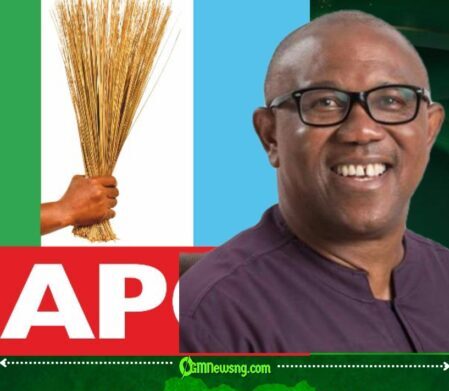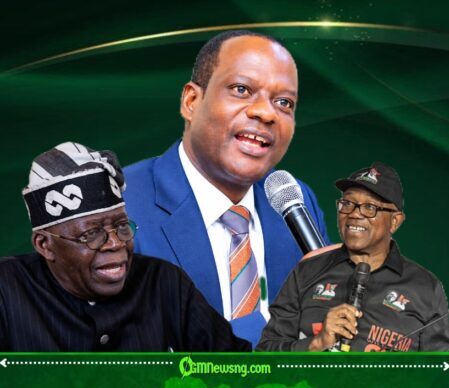







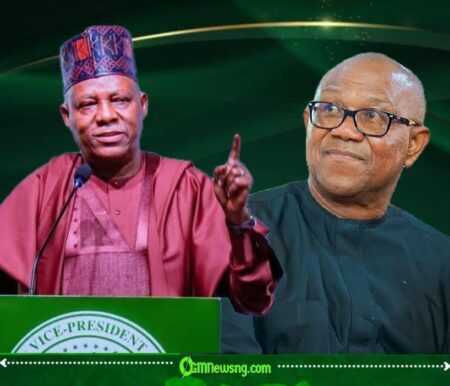
Nigeria’s Vice President, Kashim Shettima, has stated that no individual, including Peter Obi, can secure the presidency through intimidation, misinformation, or pressure tactics. Speaking on Nigeria’s evolving political landscape ahead of the 2027 general elections, Shettima stressed that leadership in a multi-ethnic and multi-religious nation must be built on consensus, trust, and national acceptance. His remarks come amid growing political discourse about zoning, regional representation, and campaign strategies.
According to the Vice President, Nigeria’s democracy thrives on inclusivity rather than confrontation. He warned that attempts to “bulldoze” political pathways through emotional narratives or divisive rhetoric could ultimately weaken democratic institutions. Shettima emphasized that successful presidential aspirants must cultivate relationships across diverse regions, religions, and ethnic groups to build a truly national mandate.
He further noted that the path to the presidency requires patience, strategic engagement, and the ability to unite rather than divide. By urging politicians to adopt bridge-building strategies, Shettima reinforced the idea that Nigeria’s leadership selection process is deeply rooted in collaboration and mutual understanding, not coercion or manipulation.
Support for South-East Presidency Amid Criticism of Peter Obi’s Strategy
While expressing reservations about certain political approaches, Kashim Shettima reaffirmed his support for the emergence of a president from Nigeria’s South-East region. He described such a development as a step toward healing historical wounds and promoting national unity, particularly in light of lingering sentiments from the Nigerian Civil War. However, he cautioned that the method of engagement matters as much as the objective itself.
Shettima appeared to indirectly critique Peter Obi and his supporters, suggesting that certain advocacy styles driven by online activism and confrontational narratives may not yield the desired political results. He described some of these approaches as counterproductive, warning that they could alienate potential allies and reduce the chances of achieving broad-based support.
In his remarks, the Vice President emphasized that political success in Nigeria requires more than regional popularity or digital influence. He called for a more strategic and inclusive approach, urging aspirants from the South-East and beyond to engage constructively with stakeholders across the country to build a credible and widely accepted political movement.
Shettima Highlights Alternative South-East Leaders and Grassroots Politics
Expanding on his argument, Kashim Shettima pointed out that the South-East region is home to several capable leaders who possess the experience and national reach required for the presidency. Among those he referenced were Rochas Okorocha and David Umahi, both of whom he praised for their political achievements and ability to connect with different parts of the country.
Shettima highlighted Okorocha’s cross-regional experience, noting his strong ties to northern Nigeria and his ability to communicate effectively across cultural lines. Similarly, he commended Umahi’s infrastructural development record during his tenure as governor, particularly in Ebonyi State, describing him as a results-driven leader with a proven track record. These examples, he argued, demonstrate that leadership capacity in the South-East extends beyond any single individual.
Vice President reiterated that grassroots engagement remains the cornerstone of political success in Nigeria. He encouraged aspiring leaders, including Peter Obi, to prioritize nationwide outreach, coalition-building, and inclusive governance. As political activities gradually intensify ahead of 2027, Shettima’s comments have added a new dimension to the ongoing debate about leadership, strategy, and the future of Nigeria’s democracy.
Table of Contents
Discover more from OGM News NG
Subscribe to get the latest posts sent to your email.