




The African Democratic Congress (ADC) has challenged the National Assembly to explain who is constitutionally exercising Nigeria’s presidential powers after President Bola Ahmed Tinubu’s stay abroad exceeded the initial three-week period announced by the Presidency. While the government maintains that the President remains in charge remotely, the opposition party insists that the Constitution cannot be replaced with a travel itinerary, video calls or official speeches delivered by stand-in representatives.
Akpabio Says There Is No Vacancy, ADC Says the Constitution Needs a Roll Call
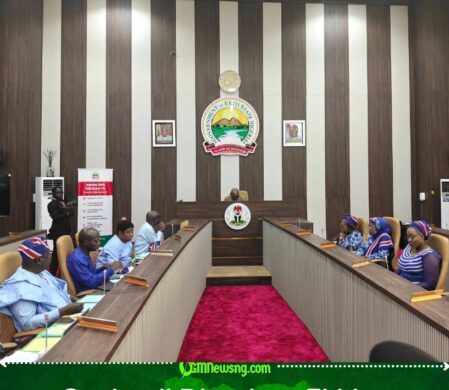
The controversy intensified after Senate President Godswill Akpabio dismissed concerns over Tinubu and Vice-President Kashim Shettima being outside Nigeria simultaneously. Akpabio said Tinubu remained in power and continued directing government affairs from abroad, insisting that there was no vacancy in the Presidency.
But the ADC is not buying the administrative mathematics. The party questioned whether Secretary to the Government of the Federation, George Akume, could do more than represent the President at official events while both the President and Vice-President were away. According to the ADC, attending ceremonies and delivering speeches may keep the microphones busy, but they do not automatically confer the constitutional powers of the President or Acting President.
Section 145 Becomes the Main Character in Nigeria’s Political Drama
The dispute centres on Section 145 of the 1999 Constitution, which provides for a written declaration to the Senate President and House Speaker when the President proceeds on vacation or is otherwise unable to perform official functions. The provision also outlines a process involving the National Assembly if the required declaration is not transmitted within 21 days.
The ADC argues that the phrase “working vacation” cannot erase those constitutional requirements. Meanwhile, the Presidency has maintained that Tinubu remains in contact with officials at home and continues directing government affairs, while Shettima represents Nigeria at the United Nations General Assembly. The disagreement therefore extends beyond geography: it concerns the relationship between presidential availability, formal delegation and constitutional procedure.
As the Presidency defends its position and the ADC demands clarification, Nigerians are left watching a political drama in which the central question is not whether government emails are being answered, but whether the constitutional chain of authority has been properly observed. OGM News NG will continue monitoring developments as the Presidency and National Assembly face growing calls to explain the legal basis of the arrangement.
Table of Contents
Discover more from OGM News NG
Subscribe to get the latest posts sent to your email.