







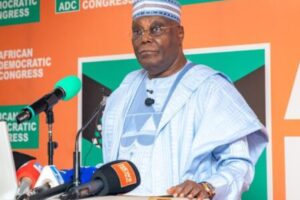


Pastor David Ibiyeomie, who has once again placed himself at the center of conversations about religion and financial prosperity. The Salvation Ministries founder declared that individuals who fail to pay correct tithe may experience a “tight” life, while also revealing the scale of his personal financial contributions to the church.
The remarks, delivered during a sermon, have drawn widespread attention due to their direct tone and emphasis on wealth as a reflection of spiritual obedience. As discussions intensify, David Ibiyeomie remains the focal point of a broader debate about the role of giving in religious practice and its implications for everyday believers.
David Ibiyeomie Emphasizes Tithing as a Pathway to Financial Freedom
David Ibiyeomie made it clear that he considers tithing a non-negotiable principle for financial stability. According to him, failing to pay tithe correctly can lead to a constrained life, suggesting a direct connection between spiritual discipline and economic well-being. His message reinforces a teaching common in many Pentecostal churches, where giving is seen as a gateway to divine blessings.
In a striking revelation, David Ibiyeomie disclosed that he personally gives a minimum of $12,000 every Sunday and an additional $2,000 on weekdays. By sharing these figures, he sought to demonstrate his commitment to the doctrine he preaches, positioning himself as an example of consistent and substantial giving. This level of transparency, however, has also contributed to the controversy surrounding his statement.
Supporters of David Ibiyeomie argue that his teachings are rooted in biblical principles and should be interpreted through the lens of faith rather than economic logic. They believe his message is meant to encourage discipline and trust in God, rather than impose financial pressure on followers.
David Ibiyeomie’s Statement Triggers Mixed Reactions Across Nigeria
The comments made by David Ibiyeomie have sparked intense reactions across social media and public discourse. Critics have questioned the fairness of linking financial struggles to a lack of tithing, especially in a country where many citizens face economic hardship. For them, the statement appears to overlook systemic challenges such as unemployment, inflation, and income inequality.
Conversely, defenders of David Ibiyeomie maintain that his message aligns with long-standing religious teachings that emphasize giving as an act of obedience. They argue that tithing is not about the amount given but about faithfulness and consistency, which they believe ultimately yield both spiritual and material rewards.
The controversy surrounding David Ibiyeomie highlights a persistent divide between those who embrace prosperity teachings and those who view them with skepticism. As the debate unfolds, his words continue to resonate differently across various segments of society.
David Ibiyeomie’s Wealth Declaration Fuels Prosperity Gospel Debate
A particularly notable aspect of David Ibiyeomie’s statement was his assertion that he would remain “stinkingly rich” even without receiving offerings. This declaration appears to challenge critics who often question the financial sources of wealthy pastors. By emphasizing his independence from congregational giving, he aimed to reinforce his credibility and personal success.
However, this claim has also intensified scrutiny of the prosperity gospel, a doctrine closely associated with teachings like those of Ibiyeomie. While supporters see it as a message of hope and abundance, critics argue that it risks shifting focus away from core spiritual values and toward material gain.
As conversations continue, Ibiyeomie remains at the center of a complex and evolving discussion about faith, wealth, and influence. His remarks have not only sparked debate but have also reignited broader questions about the relationship between religion and financial expectations in contemporary society.
Table of Contents
Discover more from OGM News NG
Subscribe to get the latest posts sent to your email.