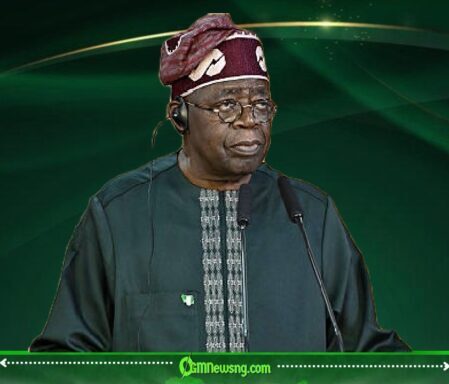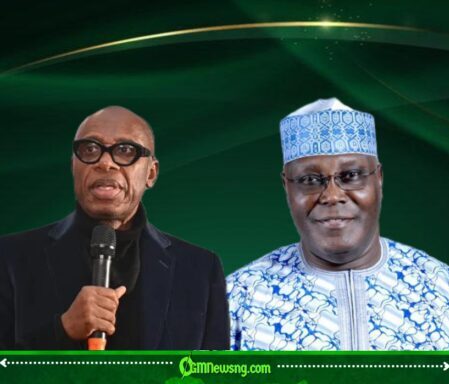






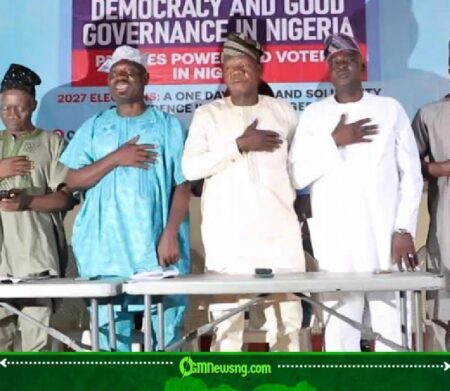
Pan-Yoruba groups have taken a central role in advocating for urgent restructuring of Nigeria’s political and governance system, appealing directly to President Bola Ahmed Tinubu and the National Assembly of Nigeria. These groups argue that the country’s current centralized system has left regions marginalized, fueling economic disparities and security challenges across the federation.
Through public statements, press conferences, and community meetings, Pan-Yoruba groups emphasized that Nigeria requires deep constitutional and institutional reforms to achieve true federalism. They argue that without these reforms, the 2027 general elections may unfold under the same structural weaknesses that have hindered governance for decades.
The groups’ renewed advocacy reflects the frustration of regional stakeholders with slow and incremental reforms. By placing restructuring at the forefront, Pan-Yoruba groups are sending a clear message that national leaders must prioritize systemic change to address longstanding grievances before political campaigns intensify.
Pan-Yoruba Groups Demand Federalism, Resource Control, and Devolution
At the core of the Pan-Yoruba groups’ demands is the call for true federalism, granting states and regions more autonomy over their resources, security, and governance priorities. They argue that decentralizing power will reduce overdependence on the federal government and allow local governments to better serve their citizens.
The groups also advocate for constitutional amendments to devolve critical powers, including policing, taxation, and infrastructure management, to sub-national governments. According to them, these reforms would not only increase efficiency but also create competitive, development-driven states, ultimately benefiting the entire federation.
Pan-Yoruba groups further warned that ignoring these issues could escalate regional tensions and threaten national cohesion. They stress that restructuring is not a political slogan but an essential reform for unity, stability, and long-term prosperity as Nigeria approaches the 2027 elections.
Pan-Yoruba Groups Spark National Debate Ahead of Elections
The advocacy by Pan-Yoruba groups has already triggered widespread debate across Nigeria, drawing reactions from political actors, civil society, and regional stakeholders. While supporters praise the groups for highlighting structural imbalances, critics caution that implementation could be politically complex and potentially destabilizing if not handled carefully.
For President Bola Ahmed Tinubu, the pressure presents both a challenge and an opportunity. Acting on the groups’ demands could strengthen his legacy and enhance national unity, but it requires careful navigation of political interests within the National Assembly of Nigeria and among regional leaders.
As Nigeria gears up for the 2027 elections, the interventions of Pan-Yoruba groups are likely to remain a focal point in national discourse. How the government responds may shape voter sentiment, influence public perception, and determine whether the next electoral cycle is conducted under reformed structures or the same flawed system.
Table of Contents
Discover more from OGM News NG
Subscribe to get the latest posts sent to your email.