







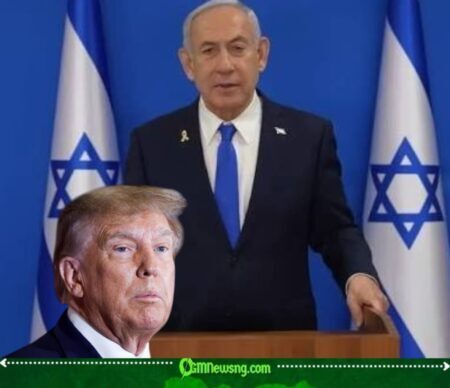
Israeli PM Netanyahu has stated that he will not halt ongoing military operations even if the United States decides to stop its own involvement in the conflict with Iran. Israeli PM Netanyahu’s remarks underscore a firm stance that Israel’s security strategy will remain independent, regardless of shifts in U.S. policy or broader international pressure.
The statement comes amid growing speculation about potential de-escalation efforts involving major global powers. Observers note that such a declaration reinforces Israel’s long-standing position of prioritizing its national security decisions without external constraints.
This development adds a new dimension to the geopolitical landscape, particularly as diplomatic channels remain active in attempting to reduce tensions across the region. The divergence in approach between allies could have far-reaching implications.
Background to the Ongoing Conflict
Israeli PM Netanyahu’s comments are rooted in a conflict that has seen repeated escalations involving Iran and its regional allies. Israeli PM Netanyahu has consistently framed the situation as an existential challenge, requiring sustained military readiness and proactive measures.
The broader conflict has involved multiple fronts, including proxy engagements and strategic targeting of military infrastructure. This has created a complex environment where direct and indirect confrontations overlap.
Efforts to mediate the conflict have faced significant challenges, with differing priorities among international stakeholders complicating the path toward resolution.
Israeli PM Netanyahu and Strategic Independence
Israeli PM Netanyahu’s position reflects a broader doctrine of strategic independence in Israel’s defense policy.
Israeli PM Netanyahu has emphasized that decisions regarding military operations will be based on national assessments rather than external timelines or agreements.
This approach has been both praised and criticized, depending on the perspective of analysts and policymakers. Supporters argue that it ensures security is not compromised, while critics warn it may limit opportunities for coordinated diplomacy.
The emphasis on autonomy highlights the delicate balance between alliance cooperation and sovereign decision-making in times of conflict.
International Reactions and Diplomatic Tensions
Israeli PM Netanyahu’s statement has elicited varied reactions from the international community. Israeli PM Netanyahu’s insistence on continuing the war has raised concerns among some allies who favor a coordinated approach to de-escalation.
Diplomatic officials have pointed to the importance of unified strategies when addressing complex conflicts, suggesting that divergence could weaken overall efforts to stabilize the region.
At the same time, others acknowledge that national leaders must ultimately make decisions based on their own security considerations, even when those decisions differ from allied positions.
Military and Regional Implications
Israeli PM Netanyahu’s stance is likely to have significant implications for military planning and regional stability. Israeli PM Netanyahu has signaled that operations will persist, potentially extending the duration and scope of the conflict.
Military analysts suggest that continued operations could alter the balance of power in certain areas, depending on how effectively objectives are pursued. This may also influence the strategies of opposing forces.
The ongoing situation remains fluid, with developments on the ground shaping the trajectory of the conflict in real time.
Outlook for the Conflict and Global Response
Israeli PM Netanyahu’s declaration highlights the uncertainty surrounding the future of the conflict. Israeli PM Netanyahu’s commitment to continuing military action suggests that resolution may not be imminent.
Global actors are expected to continue engaging in diplomatic efforts, seeking ways to bridge differences and reduce the risk of further escalation. These efforts will likely require careful coordination and sustained dialogue.
As events unfold, attention will remain focused on how differing strategies among key players influence both immediate outcomes and long-term stability.
Table of Contents
Discover more from OGM News NG
Subscribe to get the latest posts sent to your email.