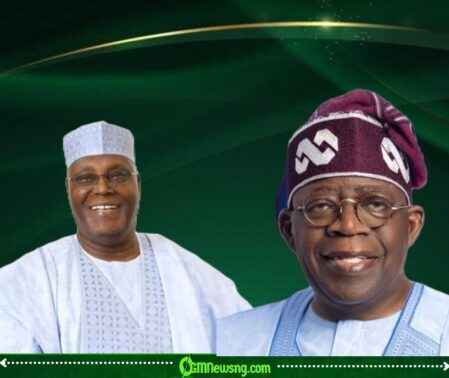






Coalition politics returned to the center of national debate after former Anambra State governor and presidential aspirant, Peter Obi, publicly dismissed claims that he had been avoiding former Vice-President Atiku Abubakar following the collapse of their opposition alliance ahead of the 2027 election. Speaking during the Spier Dialogue 2026 in Cape Town, South Africa, Obi insisted that speculation about a personal feud between both politicians was false, describing Atiku as a respected elder brother and long-time ally.
The comments arrive at a politically sensitive moment for Nigeria’s opposition movement, which had initially hoped to present a united front against President Bola Ahmed Tinubu in 2027. Instead, what began as a celebrated coalition effort has gradually evolved into another chapter of defections, internal disagreements, and public denials that many Nigerians say now define the country’s opposition politics.
ADC Coalition Crisis Pushes Obi and Kwankwaso to New Party
The Coalition arrangement between Obi and Atiku had initially generated excitement among opposition supporters after both figures aligned under the African Democratic Congress as part of a broader strategy to challenge the ruling government. Atiku had welcomed Obi’s entry into the coalition earlier in 2026, describing it as a major breakthrough capable of reshaping the political landscape ahead of the next presidential election.
However, the alliance soon began showing signs of strain. Obi later announced his exit from the ADC, arguing that persistent legal disputes and unresolved internal conflicts were distracting the party from addressing national issues. His eventual move, alongside former Kano governor Rabiu Kwankwaso, to the Nigeria Democratic Congress immediately fueled speculation that deeper disagreements existed between the coalition leaders despite public assurances of mutual respect.
Obi’s latest remarks appear carefully designed to calm tensions and prevent further damage to opposition unity. Yet political analysts note that his emphasis on “doing things differently” may also signal an attempt to distinguish his political strategy from Atiku’s more traditional coalition-building approach. In Nigerian politics, where alliances often collapse under competing ambitions, even friendly statements can carry hidden political calculations.
2027 Coalition Politics Takes New Turn as Obi Defends Exit
Defection politics has become one of the most persistent features of Nigeria’s democratic system, with politicians frequently moving between parties during election cycles in search of strategic advantage. Critics argue that the practice weakens ideological identity within political parties and leaves voters struggling to identify what many politicians truly stand for beyond electoral survival.
The collapse of the ADC coalition has also revived wider concerns about whether opposition parties can sustain unity long enough to build a credible national alternative. Over the years, several opposition alliances have emerged with dramatic public announcements, only to unravel due to leadership struggles, court disputes, or disagreements over presidential tickets before election campaigns fully begin.
Recent political developments suggest that coalition politics ahead of 2027 may become increasingly unpredictable as major political figures reposition themselves. Analysts say Obi’s departure from the ADC could reshape negotiations among opposition blocs, particularly as economic concerns, insecurity, and governance debates continue influencing voter expectations nationwide.
At the same time, Obi’s refusal to attack Atiku directly may reflect a strategic effort to keep future political doors open. Nigerian politics has repeatedly shown that today’s rivals can quickly become tomorrow’s allies when electoral realities demand new partnerships. For many observers, the real question is no longer whether opposition leaders disagree, but whether they can remain united long enough to convince Nigerians that their coalition represents more than another temporary political arrangement.
For now, Coalition politics remains both the opposition’s biggest hope and its greatest weakness. While Obi insists there is no personal hostility between himself and Atiku, the rapid collapse of yet another political alliance has reinforced public skepticism about the durability of opposition unity in Nigeria. OGM News Nigeria understands that more realignments, negotiations, and strategic meetings are expected in the coming months as political actors quietly prepare for what could become one of the country’s most fiercely contested elections in recent history.
Table of Contents
Discover more from OGM News NG
Subscribe to get the latest posts sent to your email.