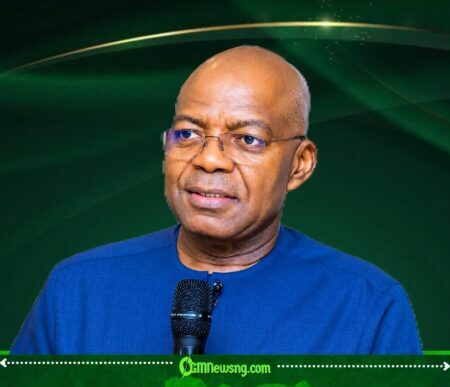






Adebayo Adelabu has officially resigned from his position as Nigeria’s Minister of Power, marking a significant turning point in the country’s ongoing efforts to reform its struggling electricity sector. The resignation comes amid persistent national concerns over unstable power supply, rising energy costs, and the urgent need for structural improvements across the industry. Adelabu’s exit is already generating widespread reactions from political stakeholders, industry experts, and everyday Nigerians.
According to sources within government circles, Adelabu’s resignation was not merely an abrupt departure but part of a broader strategic conversation about repositioning Nigeria’s energy sector for better performance. His tenure, though marked by reform attempts and policy discussions, faced intense scrutiny due to the continued challenges in achieving stable electricity nationwide.
Analysts suggest that his decision to step down may have been influenced by both political calculations and the realities of managing a deeply complex sector.
The development is expected to have immediate and long-term implications for governance within the energy space. As Nigeria continues to grapple with power shortages, Adelabu’s resignation introduces a new phase of leadership transition that could redefine policy direction and operational coordination across the sector.
Proposal for Coordinating Minister for Energy Sparks Policy Debate
In a notable move accompanying his resignation, Adebayo Adelabu has proposed the creation of a Coordinating Minister for Energy—a role designed to oversee and harmonize activities across Nigeria’s fragmented energy landscape. This proposed position would unify supervision of electricity, petroleum, and renewable energy sectors under a single strategic authority, potentially improving efficiency and reducing bureaucratic bottlenecks.
Policy analysts argue that the introduction of a coordinating minister could address longstanding issues of overlap and lack of synergy among various energy agencies. By centralizing leadership, the government may be better positioned to implement cohesive policies, accelerate reforms, and ensure accountability across the value chain. However, some critics warn that adding another high-level position could also complicate governance if not clearly defined and effectively managed.
The proposal has already sparked debate among stakeholders, with discussions focusing on whether structural changes alone can solve Nigeria’s deep-rooted energy challenges. While some view the idea as a necessary evolution in governance, others insist that execution, transparency, and political will remain the most critical factors in achieving meaningful progress.
Reactions Trail Adelabu’s Exit as Nigerians Demand Tangible Power Solutions
The resignation of Adebayo Adelabu has triggered mixed reactions across Nigeria, with citizens expressing both skepticism and cautious optimism about the future of the power sector. For many Nigerians, the change in leadership is less important than the outcome—reliable and consistent electricity supply that supports economic growth and improves quality of life.
Industry experts have emphasized that while leadership changes can create opportunities for reform, the success of any new strategy will depend heavily on implementation. They stress the need for investment in infrastructure, improved regulatory frameworks, and stronger collaboration between public and private sector players. Without these elements, even the most well-intentioned policies may fail to deliver lasting impact.
As conversations continue, attention is now shifting to the federal government’s next steps, including the appointment of a successor and the consideration of Adelabu’s proposed coordinating minister role. With energy remaining a critical pillar of national development, Nigerians will be watching closely to see whether this transition leads to real progress or simply another chapter in the country’s long-running power challenges.
Table of Contents
Discover more from OGM News NG
Subscribe to get the latest posts sent to your email.