






Fake Medicine has once again become the center of national concern after authorities shut down 1,550 illegal drug outlets across Kano, Kaduna, and Nasarawa in one of the largest coordinated pharmaceutical enforcement operations in recent years. While officials describe the action as a major step toward protecting public health, the sheer scale of the closures has triggered a more unsettling question: how many Nigerians may have unknowingly purchased unsafe or counterfeit medication?
The sweeping enforcement has reignited fears over the country’s long-standing struggle with unregulated medicine distribution, exposing vulnerabilities in oversight and renewing public anxiety about the integrity of everyday pharmaceutical purchases.
Enforcement tackle fake medicines and drug crackdown
Regulatory authorities said the affected premises were sealed for multiple violations, including operating without proper licenses, selling fake medicines in unauthorized locations, poor storage practices, and dispensing prescription drugs without qualified pharmaceutical supervision. Reports indicate that hundreds of pharmacies, patent medicine stores, and illegal drug stalls were found to be in breach of established health regulations.
In Kano alone, more than 800 pharmaceutical outlets were reportedly shut after inspectors visited over 1,100 premises on Fake medicines. Similar enforcement exercises in Kaduna and Nasarawa uncovered widespread non-compliance, highlighting how deeply unregulated medicine sales may have spread into communities where residents often rely on small neighborhood drug vendors for urgent treatment.
Public Health get alerts on fake medicines
The Fake Medicine crisis extends beyond counterfeit labels. Health experts warn that even authentic medicines can become dangerous when stored improperly, especially in hot or unhygienic environments where chemical degradation can reduce effectiveness or create harmful reactions. Improperly stored antibiotics, vaccines, and life-saving emergency medications can quietly fail when patients need them most.
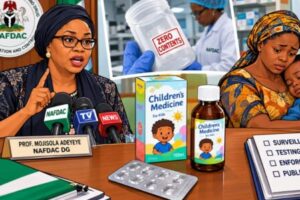
Nigeria has battled with fake medicines and substandard drug crackdown for decades, with regulatory agencies repeatedly warning that counterfeit drug networks adapt quickly to enforcement efforts. Recent crackdowns suggest authorities are intensifying surveillance, but they also reveal the scale of the challenge. For many Nigerians, affordability and accessibility often push consumers toward informal medicine sellers, making public awareness just as critical as government action.
The Fake Medicine crackdown may have shut hundreds of doors, but the broader battle is far from over. Authorities are expected to continue inspections and compliance checks nationwide, while citizens are being urged to purchase medicines only from licensed pharmacies. OGM News Nigeria will continue monitoring developments as regulators confront one of the most persistent threats to public health in the country.
Table of Contents
Discover more from OGM News NG
Subscribe to get the latest posts sent to your email.