





El-Rufai Support Group has thrust itself into the spotlight after announcing the engagement of Vanguard Africa, a Washington DC-based international advocacy firm, to lead a campaign highlighting what it describes as the erosion of the rule of law and abuse of due process in Nigeria. The move has transformed what might have remained a domestic political concern into an issue with potential international visibility. As reactions spread across political and diplomatic circles, observers are debating whether the strategy represents effective advocacy or an attempt to internationalize Nigeria’s internal disputes.
El-Rufai Support Group Hires US Advocacy Firm Over Rule of Law Concerns
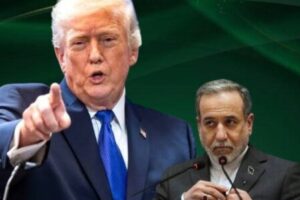
The El-Rufai Support Group disclosed that Vanguard Africa would coordinate outreach efforts to officials within the administration of President Donald J. Trump, members of the United States Congress, government agencies, pro-democracy institutions, and multilateral stakeholders. According to the association, the objective is to bring attention to concerns surrounding governance, due process, and the rule of law in Nigeria.
The announcement referenced a regulatory filing published by the United States Department of State, which reportedly outlined the scope of activities expected from Vanguard Africa. Those activities include engagement with policymakers, institutions, and organizations capable of influencing international discussions on democratic governance. While advocacy campaigns of this nature are not uncommon globally, their emergence in the context of Nigeria’s domestic political environment has generated significant public interest.
Vanguard Africa to Represent El-Rufai Support Group in Washington
The involvement of Vanguard Africa reflects a broader trend in which political organizations, advocacy groups, and civil society actors increasingly seek international audiences to amplify domestic concerns. Across many democracies, advocacy firms are often retained to communicate issues to policymakers, lawmakers, and international stakeholders. Such efforts can draw attention to governance matters, but they can also spark debates about national sovereignty and the appropriate venues for resolving political disagreements.
For the El-Rufai Support Group, the decision arrives amid continuing discussions about governance, accountability, and political competition in Nigeria. Supporters argue that raising concerns before international institutions can encourage transparency and strengthen democratic practices. Critics, however, contend that domestic institutions should remain the primary channels for addressing allegations relating to due process and the rule of law. In a nation where political debates often travel faster than official statements, the campaign has already become a talking point far beyond its original audience.
The development also underscores the increasing globalization of political advocacy. Modern communication tools, lobbying structures, and international networks allow local issues to gain visibility on a global stage within days. Whether that visibility translates into policy influence, diplomatic engagement, or merely heightened public discussion remains uncertain. What is clear is that political actors are becoming more sophisticated in their efforts to shape narratives beyond national borders.
As the campaign unfolds, both supporters and critics of the initiative will be watching closely to assess its impact. The El-Rufai Support Group and Vanguard Africa have already succeeded in generating attention, but the broader significance of the effort will likely depend on whether it produces meaningful engagement on the issues being raised. OGM News Nigeria will continue to monitor developments surrounding this evolving story and the wider implications for political advocacy in Nigeria.
Table of Contents
Discover more from OGM News NG
Subscribe to get the latest posts sent to your email.