





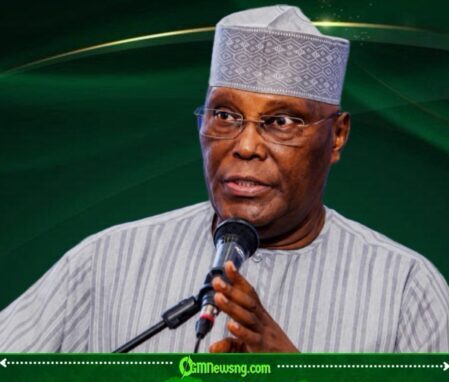
Budget Transparency has become the centre of Nigeria’s latest fiscal controversy after former Vice President and African Democratic Congress presidential candidate Atiku Abubakar challenged the Bola Tinubu administration to explain why public expenditure identified by the International Monetary Fund was absent from recent national budget documentation. The development has intensified demands for accountability, with Atiku arguing that the disclosure raises constitutional concerns that deserve immediate investigation while asking whether Nigerians have been given the complete picture of government finances.
Budget Transparency: Atiku Demands Answers Over IMF’s Missing Spending Disclosure
Atiku’s reaction followed remarks by the IMF’s Resident Representative in Nigeria, who stated that public expenditure equivalent to approximately two percent of Nigeria’s Gross Domestic Product was not reflected in recent official budget documents. According to Atiku, such omissions undermine transparency and suggest failures in institutional accountability. He argued that public funds should only be spent within constitutional appropriation processes approved by the National Assembly and described the disclosure as evidence of institutional corruption requiring independent scrutiny.
The opposition leader further maintained that Nigerians deserve a comprehensive explanation regarding the origin, approval, and implementation of any expenditure executed outside the documented budget framework. His position has added fresh political pressure on the administration, with renewed calls for stronger legislative oversight and public disclosure of government finances.
Budget Transparency Crisis? Atiku Says Missing Billions Point to Institutional Corruption
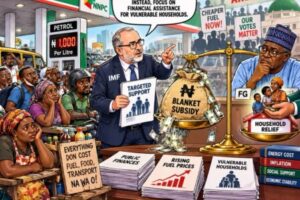
The IMF’s explanation provides broader context beyond the political debate. According to the Fund, the discrepancy resulted largely from capital projects carried out outside the formal budget process, causing Nigeria’s reported fiscal deficit to appear lower than its actual financing requirements. IMF officials stressed that improved reporting would eliminate statistical inconsistencies, strengthen fiscal transparency, and provide policymakers with a clearer picture of government finances rather than necessarily indicating that the expenditure itself was unlawful. Nigerian authorities have reportedly begun revising aspects of budget legislation to incorporate previously unrecorded expenditure into official fiscal records.
The disclosure also arrives amid broader international attention to Nigeria’s fiscal management. While the IMF has acknowledged progress in several macroeconomic reforms intended to improve economic stability, it has simultaneously continued to encourage stronger public financial reporting, warning that opaque fiscal practices complicate debt assessment, procurement oversight, and investor confidence. These concerns extend beyond political disagreements and reflect longstanding international recommendations for more transparent budget management.
The controversy surrounding Budget Transparency is therefore likely to remain a major national conversation until clearer official explanations are provided. Whether the matter results in formal investigations, legislative reviews, or expanded fiscal reforms, Nigerians can expect OGM News Nigeria to continue monitoring developments and reporting verified updates as additional information becomes available.
Table of Contents
Discover more from OGM News NG
Subscribe to get the latest posts sent to your email.