


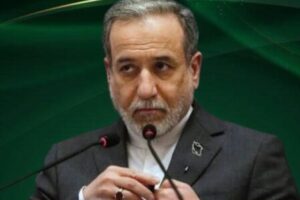


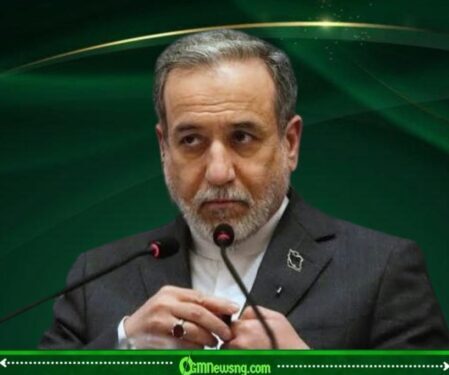
Iranian Foreign Minister Abbas Araghchi has declared that Iran has no trust in the Americans, delivering a blunt message that highlights the deep suspicion between Tehran and Washington. His remarks underscore the difficulty of restarting negotiations while both countries remain divided over security, sanctions and Iran’s nuclear programme.
Araghchi’s statement places trust at the centre of the diplomatic dispute. For Tehran, the challenge is not simply arranging another meeting or exchanging polite handshakes; it is determining whether American promises can be relied upon after negotiations end. When confidence is this fragile, even a peace proposal may need to prove its identity before entering the room.
ARAGHCHI QUESTIONS WASHINGTON’S CREDIBILITY
Araghchi has argued that previous experiences with Washington have weakened Iran’s confidence in American intentions. Tehran wants negotiations to be serious and capable of producing a fair, lasting agreement rather than another round of diplomatic announcements that fails to resolve the underlying disagreements.
In satirical terms, Araghchi appears to be asking Washington to bring more than a briefcase full of promises to the negotiating table. The United States may arrive with proposals, but Iran wants to know whether those promises will survive changing political circumstances. At this rate, diplomats might have to exchange references before exchanging agreements.
ARAGHCHI FACES A DIPLOMATIC DEADLOCK
The distrust comes amid wider disagreements over sanctions, hostilities and Iran’s nuclear activities. Both governments have demands that remain difficult to reconcile, while efforts to restart talks face the additional obstacle of persuading each side that the other is negotiating in good faith.
The result is a diplomatic standoff in which both sides appear to be waiting for the other to move first. It is almost like an international chess match where neither player wants to touch a piece, yet both expect to win. Unfortunately, the consequences extend beyond the negotiating room to regional security and global energy markets.
For now, Araghchi’s message highlights the fragile state of U.S.–Iran relations and the difficulty of turning hostile rhetoric into a workable agreement. Whether mediation can bridge the trust gap remains uncertain. Stay with OGM News NG for further updates as this developing diplomatic story unfolds.
Table of Contents
Discover more from OGM News NG
Subscribe to get the latest posts sent to your email.