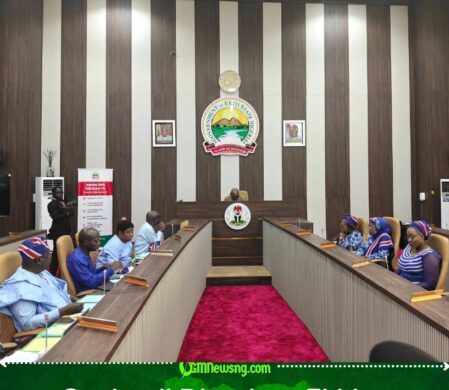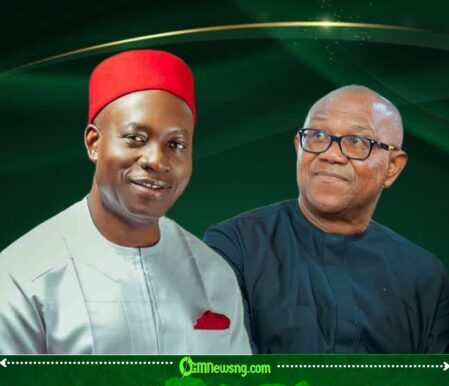



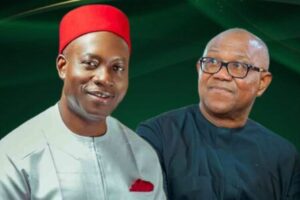
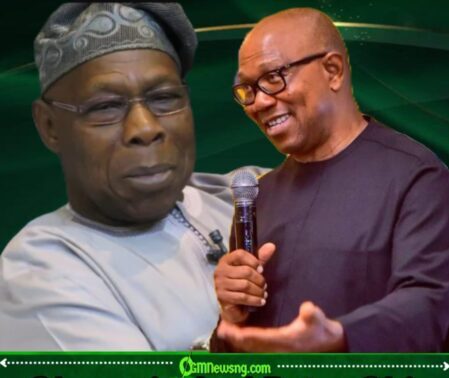
A continental debate erupted this week after former Nigerian President Olusegun Obasanjo declared that Africa has been practicing not democracy, but a forced version of Western liberal democracy that often arrives wearing a suit, carrying election posters, and leaving with the ballot box. The remarks, delivered during a high-level democracy forum, quickly drew responses from former President Goodluck Jonathan, Labour Party leader Peter Obi, and several African scholars, turning what began as a lecture into a full-scale audit of the continent’s political mirror.
Obasanjo: The Great Democracy Search BeginsThe Great Democracy Search Begins
Obasanjo’s argument landed like a fire alarm in a parliament building. He suggested that many African countries copied political systems designed elsewhere without adapting them to local realities, producing elections that look impressive on television but frequently struggle to deliver accountability, inclusion, or effective governance.
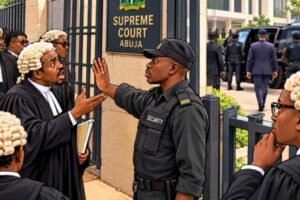
Recent debates across several African nations have already focused on disputed elections, constitutional amendments, judicial independence, and the shrinking space for opposition voices. Political analysts have increasingly argued that electoral rituals alone do not guarantee democratic culture, making Obasanjo’s intervention especially significant because it questions not only leadership, but the structure of democracy itself.
When Opposition and Government Start Sharing the same script
Former President Jonathan reportedly called for a deeper continental debate rather than a shouting match, while Peter Obi questioned the quality of democracy practiced in Nigeria, suggesting that institutions often fail to reflect the will of citizens. A Kenyan professor added fuel to the discussion by arguing that in many African countries, ruling parties and opposition parties have become so similar that voters are left choosing between different logos on the same political manual.
In the satirical version of events, Africa has now appointed a committee to locate democracy, last seen entering a polling unit with accreditation officials and never returning. Delegates are reportedly searching campaign rallies, courtrooms, coalition meetings, and government press conferences, while democracy itself is said to have left a note reading: “I will return when institutions stop asking politicians for directions.”
The debate has also resonated beyond Africa, where democracies worldwide continue to face challenges involving polarization, electoral trust, institutional pressure, and constitutional disputes. Even countries with long democratic traditions are confronting questions about representation and governance, making the African conversation part of a broader global examination of how democracy functions in practice.
The discussion is expected to continue as political leaders, scholars, civil society groups, and regional institutions weigh competing visions of governance across the continent. OGM News NG will continue monitoring developments, reactions, and any future proposals that emerge from this growing debate over whether Africa needs electoral reform, institutional renewal, or a completely new democratic playbook.
Table of Contents
Discover more from OGM News NG
Subscribe to get the latest posts sent to your email.