









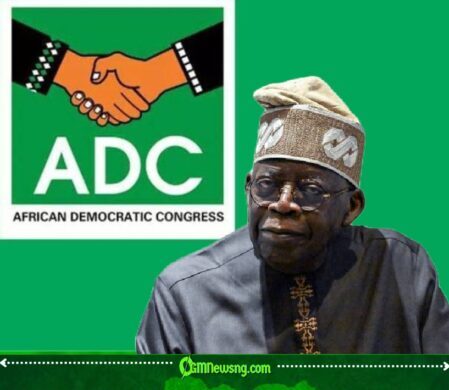
ADC has intensified political pressure on President Bola Ahmed Tinubu after claiming that nearly 70 percent of Nigerians have rejected his administration ahead of the 2027 general election. The ADC statement has already generated sharp reactions across political circles as opposition parties increasingly position themselves for what could become one of Nigeria’s most fiercely contested electoral cycles.
The ADC allegation centers largely on growing public frustration surrounding economic hardship, inflation, insecurity, and the rising cost of living affecting many Nigerians. Opposition figures argue that dissatisfaction with current conditions may significantly influence voter sentiment if economic and security challenges persist into the next election period.
Opposition VS APC
The ADC remarks reflect a broader opposition strategy aimed at consolidating public discontent into political momentum before 2027. Analysts note that opposition parties across Nigeria are increasingly focusing on economic issues, fuel prices, unemployment, and public frustration over governance as central themes in their criticism of the current administration.
Supporters of President Tinubu, however, strongly reject claims that the administration has lost majority support nationwide. Allies of the president argue that many of the government’s reforms, including subsidy removal and economic restructuring, are difficult but necessary policies intended to stabilize Nigeria’s economy over the long term.
Pre 2027 Politics
The ADC statement also highlights how political competition for 2027 has effectively begun years before Nigerians officially return to the polls. Political observers say early narratives and perception battles now play a major role in shaping future alliances, defections, and voter expectations.
Analysts further note that approval ratings and political popularity claims in Nigeria often become contested because of regional divisions, party loyalty, and the absence of universally accepted polling systems. As a result, statements involving percentages and nationwide support frequently generate debate between ruling and opposition camps.
Despite the serious political implications of the claim, Nigerians online reacted with humor, comparing political approval ratings to football league tables and arguing that election campaigns in Nigeria now begin almost immediately after inauguration ceremonies end. Beneath the satire, however, the ADC accusation reflects the growing political tension, economic anxiety, and strategic positioning already shaping the road toward Nigeria’s 2027 presidential election.
Table of Contents
Discover more from OGM News NG
Subscribe to get the latest posts sent to your email.