



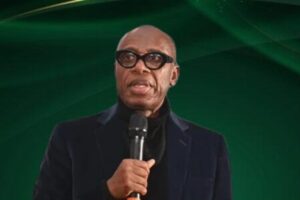
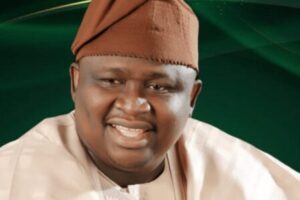
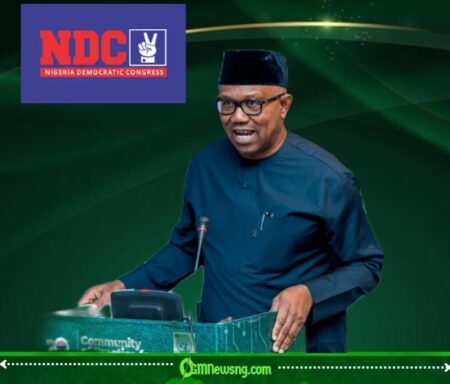
Peter Obi’s expected ratification as the presidential candidate of the Nigeria Democratic Congress has placed the party at the center of a growing national conversation about internal democracy, political organization and the future of opposition politics in Nigeria. While party officials insist the process reflects unity and consensus, critics have questioned why a major presidential contest ended with only one aspirant standing before delegates. The controversy deepened after reports emerged that several aspirants and party officials became stranded in Abuja due to transportation disruptions linked to the Eid-el-Kabir holidays, creating an atmosphere of confusion just hours before the nationwide primaries.
Peter Obi Set for NDC Presidential Ratification Amid Eid Logistics Crisis
The NDC confirmed that its presidential, governorship, National Assembly and state assembly primaries would proceed across the country despite the logistical setbacks. According to party chairman Moses Cleopas, the disruptions were caused by unavailable flights and broader transportation difficulties during the festive period. He explained that Thursday was reserved for documentation with electoral and security authorities, consultations and final coordination before Friday’s primaries and affirmations.
What drew even more attention was the party’s strong warning that no security agency or state institution was permitted to interfere with activities outside officially approved guidelines. The statement emphasized that any unauthorized involvement by agencies such as the police, DSS or INEC would be regarded as illegal. Political analysts say such warnings reflect growing anxiety within political parties over institutional neutrality and fears of external influence during internal elections.
Illegal and Unauthorized” — NDC Fires Warning Ahead of Obi Ratification
The Obi ratification exercise also arrives at a time when many Nigerians remain frustrated with the credibility of party primaries across the political landscape. In recent election cycles, accusations of delegate manipulation, imposed candidates and backroom agreements have weakened public trust in internal democratic processes. Although the NDC has presented Obi’s emergence as proof of broad acceptance within the party, critics argue that uncontested candidacies can also signal a lack of ideological competition or hidden political bargaining.
Beyond the immediate ratification process, Obi continues to occupy a unique position in Nigeria’s opposition politics. His previous presidential campaigns attracted strong youth engagement, heavy social media influence and widespread discussions about economic reforms and governance accountability. Recent political developments within opposition circles have also intensified speculation about possible alliances, coalition talks and strategic repositioning ahead of the next general election. While the NDC has not formally announced any coalition arrangement, observers believe the party’s handling of these primaries may shape public perception of its readiness for national competition.
For now, the NDC appears determined to project order, discipline and unity despite the surrounding controversy. Whether the Obi ratification ultimately strengthens confidence in the party or fuels more debate about Nigeria’s political culture may depend on how transparently the remaining primaries are conducted across the states. OGM News Nigeria will continue monitoring developments surrounding the NDC primaries, possible opposition realignments and reactions from stakeholders nationwide.
Table of Contents
Discover more from OGM News NG
Subscribe to get the latest posts sent to your email.