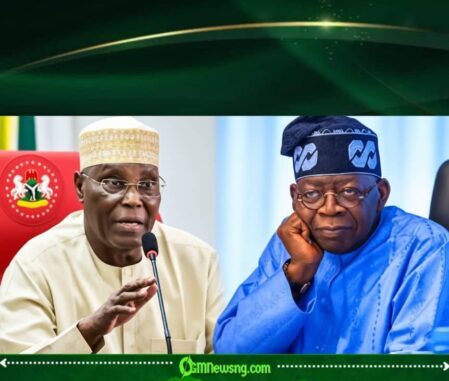








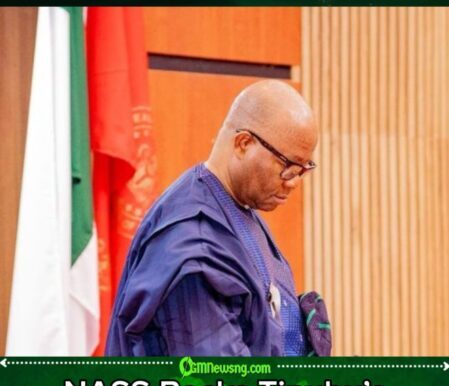
Nigeria’s National Assembly has pledged support for President Bola Ahmed Tinubu’s security agenda, including renewed discussions surrounding state police, in what many observers describe as one of the strongest political alignments on security reform since the current administration took office. Yet beneath the confident declarations from Abuja lies growing public skepticism from citizens exhausted by years of insecurity, repeated policy announcements, and limited visible improvements on the ground.
The Security debate has once again returned to the center of national politics as lawmakers argue that Nigeria’s overstretched federal policing structure can no longer adequately respond to widespread threats ranging from banditry and kidnapping to communal clashes and attacks on rural communities. While government officials frame the latest push as a necessary constitutional evolution, critics warn that state police could easily become another battleground for political control ahead of future elections.
Alignment Based On The Safety And National Security
National Assembly leaders reportedly assured President Tinubu of legislative cooperation on measures aimed at strengthening Nigeria’s Security framework, particularly proposals linked to decentralizing policing responsibilities. Supporters of the initiative argue that local authorities understand the peculiar security realities within their states far better than centralized federal commands operating from Abuja.
The renewed endorsement of State Police reflects years of mounting pressure from governors, policy experts, and regional leaders who insist Nigeria’s current security structure is too slow, too centralized, and increasingly disconnected from local realities. Several governors across party lines have previously argued that local policing could improve intelligence gathering and response times, especially in rural communities where criminal groups often operate for extended periods before security agencies intervene.
Skepticism On Fear Of Political Interference
Despite the growing political consensus around Security reforms, public reactions remain deeply divided. Critics of State Police continue warning that some governors may weaponize local police structures against political opponents, journalists, and activists. The fear is rooted partly in Nigeria’s political history, where accusations of abuse of power frequently emerge during election seasons and periods of political tension.
Recent national conversations on Security have also intensified following persistent reports of kidnappings, attacks on farming communities, and violent criminal activity across several regions. Analysts note that while the Tinubu administration has repeatedly promised reforms, many Nigerians are increasingly focused on measurable outcomes rather than policy speeches. Citizens facing daily economic hardship and insecurity now appear less interested in political declarations and more concerned about whether roads, schools, farms, and neighborhoods will genuinely become safer.
The debate over State Police may ultimately define one of the most consequential governance battles of Tinubu’s presidency. For supporters, it represents overdue constitutional modernization capable of improving Security nationwide. For critics, it risks opening another chapter of political excess disguised as reform. What remains clear is that Nigerians are watching closely — and this time, applause from lawmakers alone may not be enough to calm public frustration if real-life security conditions fail to improve in the months ahead.
Table of Contents
Discover more from OGM News NG
Subscribe to get the latest posts sent to your email.