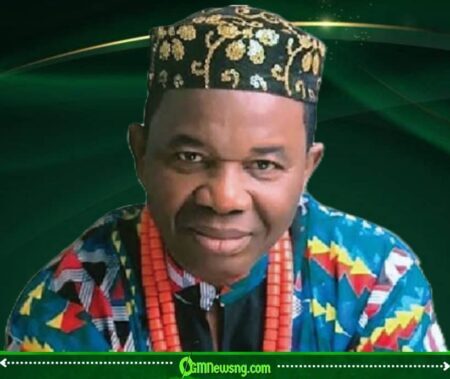








Poverty Reduction has emerged as the defining message in Rotimi Amaechi’s renewed political movement after the former Rivers State governor openly declared that Nigeria’s 2027 presidential election should become a referendum on the performance of political leaders. Speaking during a televised interview while intensifying consultations under the African Democratic Congress, ADC, Amaechi argued that Nigerians must move beyond ethnic loyalties and begin evaluating politicians based on measurable achievements, accountability and economic impact.
The former Minister of Transportation made some of his strongest public remarks yet about the country’s economic condition, admitting that while the administration that brought the APC to power in 2015 recorded achievements in certain sectors, it also failed Nigerians in major areas. His comments immediately triggered fresh political debate because Amaechi himself was one of the prominent figures behind that coalition government. Critics quickly accused him of attempting to distance himself from policies he once defended, while supporters described his comments as unusually candid for a senior Nigerian politician.
Amaechi Says Hunger Is Rising, Citizens Ask if Leaders Just Noticed
Amaechi insisted that the 2027 election must focus on Poverty Reduction, employment and security rather than emotional political loyalty. According to him, rising insecurity is closely connected to worsening hardship and unemployment across the country. He argued that many young Nigerians are pushed toward crime because economic opportunities have collapsed in several communities.
Using large-scale housing construction as an example, Amaechi claimed government-backed projects could generate massive employment while reducing social tension. He described scenarios where hundreds of thousands of houses built across states would create jobs for artisans, contractors, transport workers and suppliers. The former governor also defended his record in Rivers State, highlighting investments in schools, healthcare facilities, teachers and electricity infrastructure during his administration. He maintained that Nigerians have every right to assess his past performance before deciding whether to trust him again.
Subsidy Money Missing? Amaechi Questions Impact of Fuel Policy on Citizens
Amaechi’s criticism of fuel subsidy management has added another layer of controversy to the growing political conversation. While supporting the principle behind subsidy removal, he argued that many Nigerians have not experienced any visible benefit from the savings generated by the policy. His remarks echo wider public frustration over inflation, rising food prices and declining purchasing power since subsidy removal began affecting transportation and living costs nationwide.
Political analysts believe the Poverty Reduction narrative could become a major campaign strategy among opposition figures ahead of 2027, especially as economic hardship continues dominating public discussions. Amaechi’s decision to frame the election as a referendum also places pressure on both current officeholders and long-serving political elites who may struggle to separate themselves from Nigeria’s prolonged governance challenges. At the same time, critics have questioned whether established politicians can convincingly market themselves as agents of change after decades within the same political structure they now criticise.
As consultations within the ADC continue, Amaechi’s statements have already repositioned him at the centre of early 2027 political discussions. Whether Nigerians view his message as genuine reform, strategic rebranding or another familiar election-season promise may ultimately determine how far his presidential ambition travels. OGM News Nigeria will continue monitoring the emerging alliances, policy debates and public reactions shaping what could become one of the country’s most heated electoral contests in recent history.
Table of Contents
Discover more from OGM News NG
Subscribe to get the latest posts sent to your email.