


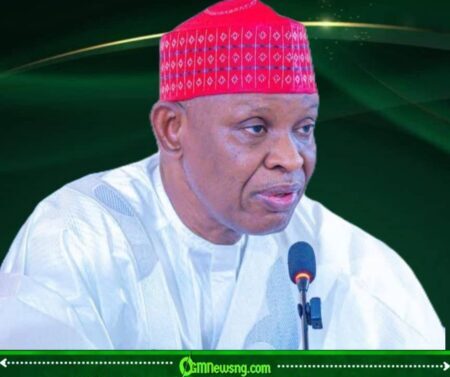
Consensus Politics has once again taken center stage in Kano after former governor Ibrahim Shekarau emerged as the agreed candidate for the Kano Central senatorial seat following political negotiations that reportedly ended weeks of internal tension among influential stakeholders. The development, which many insiders describe as a carefully managed peace arrangement, has triggered both celebration and criticism across Kano’s politically active environment, where alliances often shift as quickly as campaign slogans.
The resolution reportedly followed intervention efforts led by Governor Abba Yusuf, whose mediation was said to have helped calm disagreements surrounding the highly contested senatorial ticket. While supporters describe the outcome as a demonstration of maturity and strategic unity ahead of future elections, critics argue that the process once again exposes the dominance of established political actors in Kano, where familiar names continue to control major positions despite increasing public calls for younger and more independent voices.
Consensus Politics and the Battle for Kano’s Political Structure
The Consensus emergence of Shekarau as the preferred candidate is being viewed by many observers as another example of Kano’s deeply rooted political culture, where negotiation, influence, and elite compromise frequently determine outcomes long before voters arrive at polling units. Political analysts note that Kano Central remains one of the most strategically important senatorial districts in northern Nigeria because of its dense population, commercial influence, and symbolic political weight.
Shekarau himself remains one of Kano’s most experienced political figures, having served as governor and later as a senator and federal minister. Over the years, he has maintained relevance despite shifting party alliances and changing political coalitions across the state. His latest emergence is already fueling speculation that established political figures may continue to dominate the state’s electoral calculations as parties seek stability over experimentation.
Kano’s Bigger Political Realignment Ahead of Future Elections
Beyond the immediate senatorial contest, the development reflects wider political repositioning taking place across Kano and northern Nigeria ahead of future elections. Recent months have witnessed increasing consultations among political blocs attempting to avoid internal fragmentation that could weaken their influence at both state and national levels. Several observers believe the growing use of consensus arrangements signals concern among party leaders about potential defections, factional crises, and voter dissatisfaction.
The political reconciliation involving Shekarau also comes at a time when debates over internal democracy continue to dominate Nigeria’s political conversation. Critics argue that consensus candidacies often reduce opportunities for transparent competition, while defenders insist such arrangements help parties avoid expensive disputes and damaging divisions. Across Kano, residents remain divided between those who value political stability and those demanding fresh leadership capable of addressing economic hardship, unemployment, and rising public frustration.
For now, Shekarau’s emergence appears to have temporarily calmed tensions within Kano’s political space, but questions surrounding representation, generational change, and democratic participation remain unresolved. As the political season gradually intensifies, OGM News Nigeria understands that further negotiations and strategic alignments may still reshape the final landscape. What remains clear is that Consensus Politics has once again proven to be one of the most powerful forces in Kano’s ever-unpredictable political theatre
Table of Contents
Discover more from OGM News NG
Subscribe to get the latest posts sent to your email.