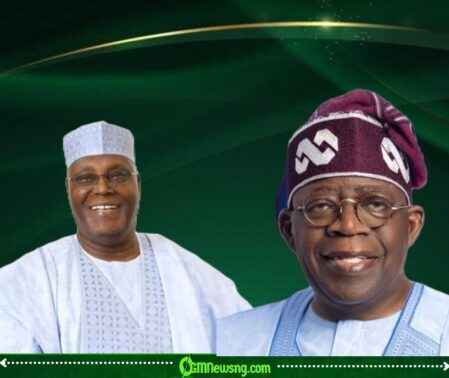









Speaker Tajudeen Abbas has officially intensified Nigeria’s early 2027 political conversations after declaring his intention to seek a fifth term in the House of Representatives, a move that has already generated mixed reactions across political circles. The declaration places the Speaker among the prominent national figures openly preparing for the next election cycle while reigniting public debate over leadership continuity, political longevity, and generational change within Nigeria’s democratic system.
Currently serving as Speaker of the House of Representatives under the ruling APC government, Abbas has remained one of the country’s most influential lawmakers since rising to the leadership of the National Assembly. His latest political move is widely viewed as an effort to consolidate support early, strengthen alliances, and reinforce his standing within both his constituency and the broader party structure ahead of future political contests.
Speaker Tajudeen Abbas and the Politics of Continuity
Supporters of the Speaker argue that his experience and institutional knowledge remain valuable assets at a time when Nigeria continues facing economic difficulties, legislative challenges, and security concerns. According to allies, continuity in leadership helps preserve policy coordination and legislative stability within government institutions.
In one major reaction surrounding the declaration, Speaker Tajudeen Abbas became the centerpiece of discussions about whether experienced politicians should continue dominating Nigeria’s political landscape for extended periods. His supporters insist that leadership effectiveness should matter more than how long a politician has remained in office, especially in a system where institutional memory often shapes governance outcomes.
Critics Raise Fresh Questions About Leadership Renewal
Despite support from political allies, critics argue that repeated re-election bids by senior political figures may discourage leadership renewal and reduce opportunities for younger Nigerians seeking public office. Debates surrounding political recycling have grown louder in recent years as many citizens express frustration over unemployment, economic hardship, and what some perceive as stagnation within the country’s political structure.
Political analysts also note that incumbency remains one of the strongest advantages in Nigerian elections, particularly for lawmakers with established party influence, constituency networks, and visibility at the national level. While Abbas’ declaration may not surprise experienced political observers, it signals that preparations for 2027 are already accelerating quietly across multiple political camps nationwide.
As political calculations continue unfolding ahead of the next election cycle, Speaker Tajudeen Abbas now finds himself at the center of a broader national conversation about continuity, experience, and the future direction of Nigerian democracy. Whether voters ultimately embrace familiar leadership or demand generational change may become one of the defining political questions shaping the road to 2027.
Table of Contents
Discover more from OGM News NG
Subscribe to get the latest posts sent to your email.