






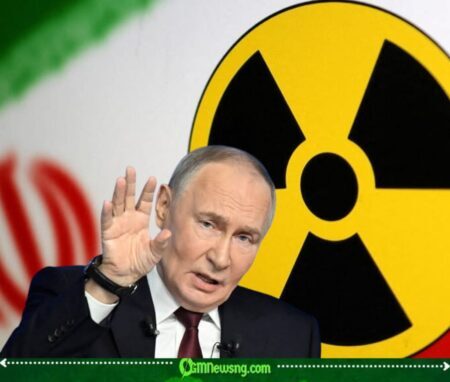
Russia has signaled its willingness to accept Iran’s enriched uranium as part of a potential agreement with the United States, introducing a significant diplomatic option in ongoing efforts to address the nuclear standoff. The proposal, which has been raised in discussions with multiple parties, is aimed at reducing immediate concerns about Iran’s nuclear stockpile while keeping negotiations alive.
The offer comes at a time when talks between the United States and Iran have struggled to produce a breakthrough, with key disagreements over enrichment limits and stockpile control remaining unresolved. By stepping in, Russia is positioning itself as a potential intermediary capable of facilitating a compromise.
Officials indicate that the idea is not new but has been reiterated as tensions continue, suggesting that Moscow sees value in keeping the option on the table as negotiations evolve.
Russia and the Strategic Role in Nuclear Negotiations
Russia has repeatedly stated that it is prepared to host Iran’s enriched uranium if a broader agreement is reached, a proposal originally put forward during discussions with both the United States and regional actors.
The concept behind the plan is to remove highly enriched uranium from Iran’s territory, thereby reducing the risk of rapid weaponization while allowing diplomatic talks to continue without immediate escalation. This approach mirrors elements of past nuclear agreements.
By offering to take custody of the material, Russia aims to present itself as a stabilizing force, although the proposal has yet to be formally adopted by all parties involved.
Diplomatic Context and Ongoing Challenges
Russia’s proposal emerges against the backdrop of stalled negotiations, where fundamental differences between Washington and Tehran have made progress difficult. Disputes over how much uranium Iran can retain and under what conditions remain central obstacles.
Recent discussions have included proposals for limits on enrichment and even long-term pauses, but disagreements over enforcement and trust have hindered any final agreement. The question of where Iran’s existing stockpile should be held remains particularly contentious.
Analysts note that introducing a third-party custodian like Russia could help bridge gaps, but it also raises new questions about oversight and compliance.
Russia and Global Reactions
Russia’s offer has drawn mixed reactions internationally, with some viewing it as a constructive step toward de-escalation, while others remain cautious about its implications. Trust between major powers continues to play a significant role in how such proposals are received.
Some governments see potential in the arrangement as a way to reduce immediate risks without requiring Iran to fully abandon its nuclear program. Others question whether the plan would provide sufficient guarantees over the long term.
The diversity of responses highlights the complexity of reaching a consensus on nuclear issues, particularly in a highly polarized geopolitical environment.
Security and Economic Implications
Russia’s involvement in handling Iran’s enriched uranium could have significant security implications, particularly in terms of reducing the immediate threat of nuclear proliferation. Removing the material from Iran would be seen as a major step toward lowering tensions.
At the same time, the proposal could influence global markets, especially in the energy sector, where stability in the Middle East is closely tied to oil prices and economic confidence.
Experts caution that while the plan may offer short-term benefits, its success would depend heavily on transparency, verification, and sustained cooperation among all parties.
Russia has indicated that its offer remains available, even though it has not yet been acted upon, leaving the door open for future negotiations to incorporate the proposal.
The coming weeks are expected to be critical as diplomatic efforts continue, with multiple stakeholders exploring ways to break the current deadlock. The role of external actors like Russia may become increasingly important.
Ultimately, the proposal underscores the ongoing search for solutions that balance security concerns with diplomatic realities, as the international community works to prevent further escalation while keeping the possibility of an agreement alive.
Table of Contents
Discover more from OGM News NG
Subscribe to get the latest posts sent to your email.