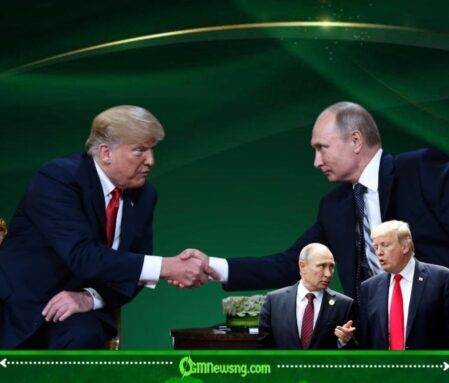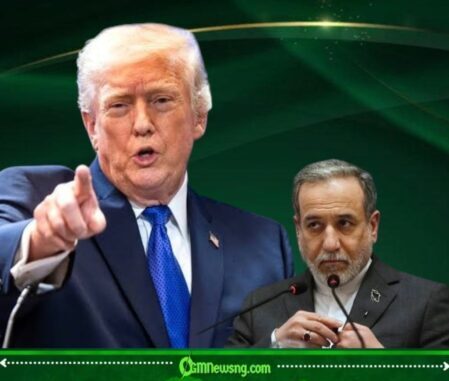

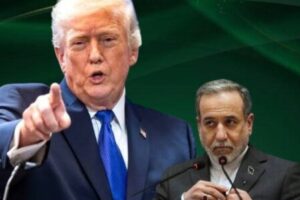

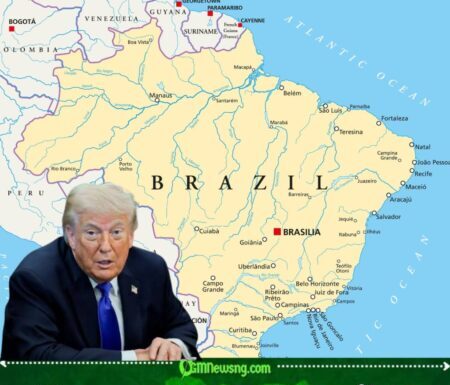
Free Speech moved to the center of international political discourse after President Donald J. Trump publicly accused Brazil of violating the rights of citizens to express themselves freely. The statement, delivered amid growing global debates over online censorship and government regulation of digital platforms, immediately triggered reactions from political figures, activists, and commentators across multiple countries. Trump’s remarks appeared aimed at broader concerns involving judicial actions, social media restrictions, and alleged suppression of political dissent within Brazil.
Brazilian authorities have in recent years defended strict actions against certain online accounts and political networks, arguing that misinformation campaigns and anti-democratic rhetoric posed risks to public stability and democratic institutions. Courts in the country previously ordered suspensions involving social media platforms and investigated political influencers accused of spreading harmful falsehoods. Critics, however, claim some measures have expanded beyond combating dangerous misinformation and now threaten legitimate political expression, especially among opposition voices.
The controversy surrounding Trump’s comments reflects a larger global struggle over the boundaries between public safety, political accountability, and civil liberties in the digital age. Supporters of stricter regulations argue unchecked misinformation can destabilize elections, incite violence, and damage public trust, while opponents insist governments increasingly exploit these concerns to silence criticism and consolidate influence over public narratives.
Political analysts say the timing of Trump’s remarks is significant because debates surrounding censorship and digital freedom have become central themes in international politics. From Europe to Latin America and North America, governments are facing increasing pressure to define where free expression ends and harmful speech begins. That unresolved question continues to divide lawmakers, courts, technology companies, and voters worldwide.
Brazil’s Expanding Digital Crackdown Raises Questions
Brazil has become one of the most closely watched countries in discussions surrounding internet regulation and judicial authority over online speech. In recent years, legal battles involving social media companies intensified after courts demanded the removal of certain accounts and content considered dangerous to democratic order. Authorities argued these measures were necessary following political unrest and allegations that coordinated online campaigns were spreading destabilizing narratives.
Free Speech concerns have nevertheless persisted among legal experts and civil rights groups who fear emergency-style restrictions may gradually normalize wider government influence over public discourse. Critics point out that when states possess broad powers to determine what qualifies as misinformation, political speech can become vulnerable to selective enforcement. Some observers warn that this creates uncertainty for journalists, activists, and ordinary citizens attempting to engage in political debate online.
President Trump’s intervention has now added an international political dimension to the issue. Supporters view his comments as part of a wider defense of unrestricted political expression, while opponents accuse him of amplifying tensions for political effect. The dispute also highlights growing ideological divisions over how democracies should respond to misinformation, extremism, and rapidly evolving digital communication technologies.
Beyond the immediate political reactions, the controversy underscores how social media platforms themselves have become battlegrounds for global power struggles. Governments increasingly pressure technology companies to remove content, while critics accuse those same companies of inconsistently applying rules and sometimes cooperating too closely with political authorities. The resulting tension leaves citizens caught between fears of manipulation, censorship, and uncontrolled online chaos.
Free Speech is likely to remain at the center of international political disputes as governments continue expanding digital regulations while citizens demand stronger protections for expression and dissent. OGM News Nigeria will continue monitoring developments surrounding the Brazil controversy, including any future diplomatic responses, policy changes, or reactions from global human rights advocates.
Table of Contents
Discover more from OGM News NG
Subscribe to get the latest posts sent to your email.