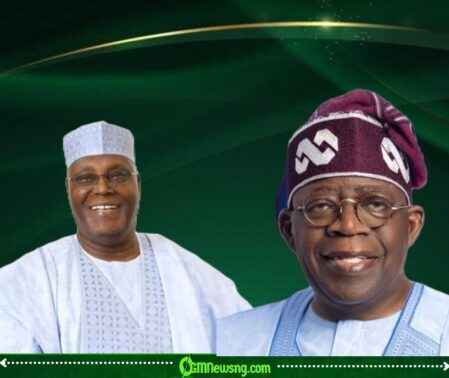









Rivers Votes have become the latest battleground in Nigeria’s growing pre-2027 political contest after former Vice President Atiku Abubakar openly challenged Federal Capital Territory Minister Nyesom Wike over claims that opposition forces would struggle to secure significant support in Rivers State. The confrontation has reignited long-standing tensions between two of the country’s most influential political figures and raised fresh questions about political ownership, voter independence, and the future of electoral competition in one of Nigeria’s most strategic states.
The dispute emerged after Wike reportedly declared that Atiku would not secure up to 10 percent of votes in Rivers State during the 2027 presidential election. The statement immediately triggered a response from Atiku’s camp, transforming what may have appeared to be routine political rhetoric into a broader debate about democracy, influence, and the power of voters.
Atiku Says No Politician Owns Rivers Votes Amid Growing Power Struggle
The latest confrontation reflects a rivalry that has continued since the internal crisis that fractured the Peoples Democratic Party before the 2023 general election. Wike and Atiku found themselves on opposing sides after disagreements over party leadership and political strategy, eventually contributing to one of the most significant divisions within the opposition movement.
Responding to Wike’s latest remarks, Atiku’s camp insisted that Rivers Votes belong exclusively to the people of the state and cannot be controlled by any individual regardless of political influence. The reaction described Rivers residents as independent-minded citizens capable of making electoral decisions based on their experiences, expectations, and assessment of leadership rather than instructions from political actors.
Rivers Votes: Rivers Political Tension Deepens as Atiku Fires Back at Wike
Wike’s comments came during a gathering associated with his political coalition in Rivers State, where he expressed confidence that his political structure would remain dominant ahead of the next election cycle. The minister has repeatedly projected influence over the state’s political direction and has argued that electoral victories depend heavily on grassroots structures rather than media appearances or political alliances.
The wider context reveals a deeper struggle over the future of opposition politics in Nigeria. Recent developments have seen discussions surrounding new political alignments and coalition-building efforts ahead of 2027. Atiku’s camp has increasingly framed the election debate around economic hardship, insecurity, and governance concerns, arguing that voter sentiment may ultimately prove more influential than political endorsements or established power networks. Political discussions across public forums and social media platforms also reflect growing debate about whether traditional political godfatherism can continue to shape electoral outcomes in the same way it has in previous election cycles.
As Nigeria moves closer to another election season, the controversy surrounding Rivers Votes may become a defining test of whether political influence or voter independence carries greater weight. While both camps remain confident in their positions, the final verdict will not be delivered at political rallies, coalition meetings, or press statements. It will ultimately be determined by voters themselves when ballots are cast, making Rivers State one of the political arenas likely to attract intense national attention in the months ahead.
Table of Contents
Discover more from OGM News NG
Subscribe to get the latest posts sent to your email.