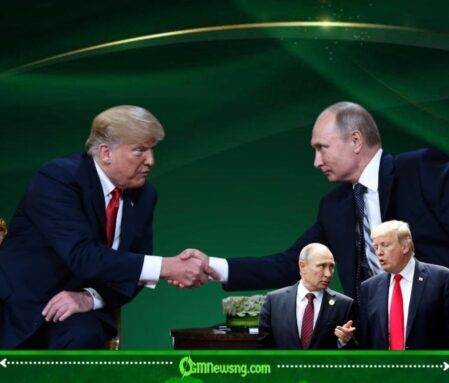







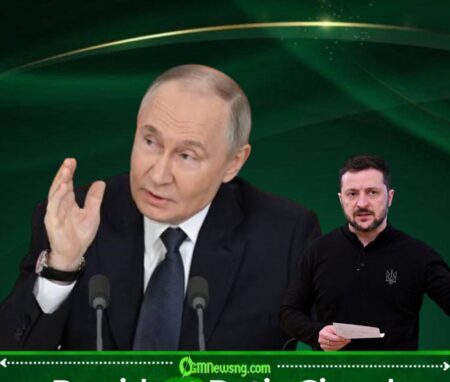
President Putin has reportedly expressed willingness to meet Volodymyr Zelensky outside Russia for the first time since the conflict between the two nations escalated, marking a potentially significant diplomatic development amid years of war and strained international relations. The statement has quickly attracted global attention as world leaders and analysts assess whether such a meeting could open the door to broader negotiations or confidence-building measures between the opposing sides.
The possibility of direct engagement between the Russian and Ukrainian leaders has long been viewed as symbolically important, particularly as diplomatic channels have remained limited during periods of intense military confrontation and geopolitical tension. Previous discussions surrounding negotiations have often stalled because of disagreements over territorial issues, security guarantees, and conditions for ceasefires.
President Putin’s reported openness to meeting outside Russia has therefore sparked cautious interest among observers who see face-to-face diplomacy as a potentially meaningful step, even if major obstacles to peace remain unresolved.
DIPLOMATIC SIGNALS AMID CONTINUING CONFLICT
Putin has made the remarks during a period in which international pressure for diplomatic engagement continues to grow alongside concerns about the humanitarian and economic impact of the war.
Global leaders and diplomatic organizations have repeatedly encouraged direct communication between Moscow and Kyiv as part of wider efforts aimed at reducing hostilities and creating pathways toward negotiation.
President Putin’s comments may therefore be interpreted as an attempt to signal flexibility regarding future talks, although questions remain about the practical conditions required for any meeting to occur.
PUTIN AND THE POSSIBILITY OF DIRECT TALKS
Putin has previously maintained a cautious position regarding high-level meetings with Ukrainian leadership, particularly outside Russian territory.
President Putin’s latest remarks have generated speculation about whether both sides may now be exploring opportunities for renewed diplomatic engagement despite continuing military tensions.
Putin’s willingness to consider a meeting abroad could also influence international perceptions regarding Russia’s approach to ongoing negotiations and conflict management.
INTERNATIONAL RESPONSE TO THE ANNOUNCEMENT
Governments across Europe, North America, and Asia are expected to monitor the situation closely because any direct meeting between the two leaders could carry major geopolitical implications.
Diplomatic observers note that symbolic gestures often play important roles in conflict resolution, even when immediate breakthroughs remain unlikely or difficult to achieve.
The announcement has also renewed discussion about the role neutral countries or international organizations might play in facilitating future dialogue between the two nations.
PRESIDENT PUTIN AND CHALLENGES TO PEACE NEGOTIATIONS
President Putin continues to face significant challenges in any effort aimed at restarting meaningful negotiations, particularly given the deep mistrust that has developed throughout the conflict.
Putin’s statement does not automatically guarantee progress toward peace, as major disagreements over territorial control, military operations, and political conditions remain unresolved.
President Putin’s remarks nevertheless highlight the continuing importance of diplomacy in situations where prolonged warfare has created both regional instability and global economic consequences.
FUTURE UNCERTAINTY SURROUNDING THE CONFLICT
Analysts caution that while diplomatic gestures can lower tensions temporarily, sustainable peace efforts would likely require extensive negotiations involving security arrangements, reconstruction plans, and international guarantees.
The war between Russia and Ukraine continues to influence global energy markets, defense strategies, humanitarian operations, and broader geopolitical alignments across multiple regions.
As attention remains focused on the possibility of future talks, the international community will continue watching for signs that diplomatic engagement could eventually contribute to a broader reduction in hostilities.
Table of Contents
Discover more from OGM News NG
Subscribe to get the latest posts sent to your email.