







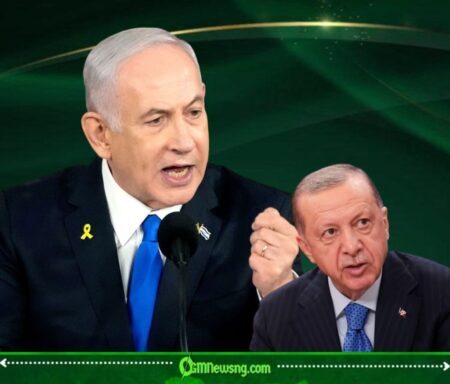
Turkey has accused Israeli Prime Minister Benjamin Netanyahu of deliberately working to undermine ongoing peace negotiations, alleging that recent actions and statements reflect a broader strategy aimed at prolonging conflict rather than resolving it. The claim comes at a time of heightened tensions in the region, where fragile diplomatic efforts are struggling to gain traction amid continued hostilities.
Officials in Ankara have pointed to recent developments as evidence of what they describe as a pattern of behavior that contradicts the spirit of negotiation. These concerns have been amplified by ongoing military activity and political rhetoric that appear to signal a hardline approach.
The accusation has quickly drawn international attention, with observers closely monitoring the situation to assess its potential impact on already delicate diplomatic processes.
Diplomatic Tensions and Escalating Rhetoric
Turkey has emphasized that the current climate of escalating rhetoric is making it increasingly difficult to sustain meaningful dialogue. Officials argue that trust, a key component of any negotiation process, is being eroded by actions perceived as aggressive or dismissive.
The Turkish government has called for all parties involved to recommit to constructive engagement, warning that continued escalation could derail efforts to achieve a lasting resolution. The tone of recent exchanges suggests a widening gap between positions.
Analysts note that such public accusations can further complicate diplomacy, as they may harden stances and reduce the willingness of parties to compromise.
Turkey and Regional Peace Negotiations
Turkey has reiterated its support for ongoing peace negotiations, positioning itself as a vocal advocate for de-escalation and dialogue. Officials have stressed the importance of maintaining open channels of communication despite rising tensions.
The country’s role in regional diplomacy has been shaped by its strategic position and its relationships with multiple stakeholders. This has enabled it to participate in and influence discussions aimed at resolving conflicts.
Observers suggest that Turkey’s statements may also reflect its broader foreign policy objectives, which include promoting stability while asserting its influence in regional affairs.
International Reactions and Divided Views
Turkey has sparked a range of reactions from the international community with its remarks, as different nations interpret the situation through their own strategic lenses. Some have echoed concerns about the challenges facing peace negotiations, while others have defended Israel’s actions as necessary for security.
The divergence in responses highlights the complexity of the geopolitical landscape, where competing interests often shape narratives and policy decisions. This dynamic can make consensus difficult to achieve.
Global organizations have continued to call for restraint and renewed commitment to dialogue, emphasizing the need to prioritize long-term stability over short-term gains.
Impact on Ongoing Negotiations
Turkey has warned that the perceived undermining of peace efforts could have serious consequences for the negotiation process. Officials have expressed concern that continued tensions may lead to a breakdown in talks.
The fragility of the current negotiations underscores the importance of confidence-building measures and mutual trust. Without these elements, progress becomes increasingly difficult to sustain.
Experts caution that even minor setbacks can have significant ripple effects, potentially reversing gains made through earlier diplomatic efforts.
Turkey has called on all parties to refocus on the goals of peace and stability, urging a return to constructive dialogue and compromise. The emphasis remains on finding solutions that address the concerns of all stakeholders involved.
The coming weeks are expected to be critical in determining whether negotiations can move forward or face further obstacles. Much will depend on the actions and decisions of key actors in the region.
Ultimately, the situation remains fluid, with the potential for both progress and further escalation. Turkey’s stance highlights the ongoing challenges in achieving lasting peace in a deeply complex and evolving geopolitical environment.
Table of Contents
Discover more from OGM News NG
Subscribe to get the latest posts sent to your email.