

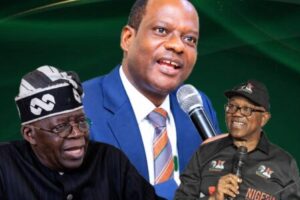




Fresh divisions have surfaced within the All Progressives Congress (APC) following intensified consultations by Bauchi State Governor Bala Mohammed, fuelling speculation about his possible exit from the Peoples Democratic Party (PDP). The unfolding political developments point to a growing debate within the ruling party over whether to welcome the governor, even as his strategic engagements continue at multiple levels.
Rising Consultations Signal Strategic Political Shift
The prospect of Governor Bala Mohammed joining the APC has gained traction in recent weeks, with multiple meetings involving party stakeholders at both state and national levels. Sources familiar with the discussions indicate that the governor has maintained steady contact with influential figures, suggesting a calculated approach to securing political alignment.
A federal lawmaker from Bauchi State, speaking anonymously, confirmed that consultations are ongoing but remain inconclusive. According to the lawmaker, while no formal agreement has been reached, Mohammed’s engagement with APC stakeholders—including senators and national leaders—has been consistent and deliberate.
The momentum behind these talks was further underscored by a recent meeting in Abuja involving members of the Bauchi caucus in the House of Representatives. Participants reportedly expressed willingness to collaborate with the governor should he formally defect, reflecting a growing bloc of support within certain APC circles.
Mixed Reactions Within APC Highlight Internal Divisions
Despite signs of acceptance among some APC stakeholders, resistance has emerged within the party’s Bauchi chapter. A coalition known as the APC Solidarity Group and Allied Associations has openly opposed the governor’s potential entry, citing concerns over party unity and long-term stability.
In a formal petition addressed to APC National Chairman Nentawe Yilwatda, the group warned that admitting Mohammed could destabilise existing structures and create internal rivalries. The petition emphasised the need to preserve the party’s cohesion ahead of the 2027 general elections.
The group also referenced the governor’s past criticisms of the APC and the administration of President Bola Tinubu, arguing that such positions raise questions about his political loyalty. According to the statement, these concerns could undermine trust among party members and weaken the APC’s public image.
Additionally, issues such as perceived declining public support for the governor and doubts about his political reliability were highlighted as potential risks associated with his admission into the party.
PDP Crisis and Broader Political Realignments
Governor Mohammed’s political manoeuvring comes at a time when the PDP is grappling with internal challenges, including defections and leadership tensions. The uncertainty within the opposition party has prompted several key figures to reconsider their positions ahead of the 2027 elections.
Notably, Mohammed and Oyo State Governor Seyi Makinde remain among the few prominent PDP governors yet to formally declare their next political moves. Their decisions are widely seen as critical to shaping the future balance of power.
Before his renewed engagement with the APC, Mohammed was reportedly exploring alignment with the African Democratic Congress (ADC) as part of a broader opposition coalition. However, recent developments suggest a strategic pivot, with the ruling party now emerging as a more viable option.
Analysts believe the governor is carefully weighing his options, balancing immediate political survival with long-term positioning, particularly given the APC’s control of the Federal Government. His next move is expected to have significant implications for both Bauchi State and the national political landscape.
As consultations continue, the debate within the APC underscores the complexities of political realignment in Nigeria. While some view Bala Mohammed’s potential defection as an opportunity to strengthen the party, others see it as a risk to internal stability. The coming weeks are likely to determine whether consensus can be reached or divisions deepen further.
Table of Contents
Discover more from OGM News NG
Subscribe to get the latest posts sent to your email.