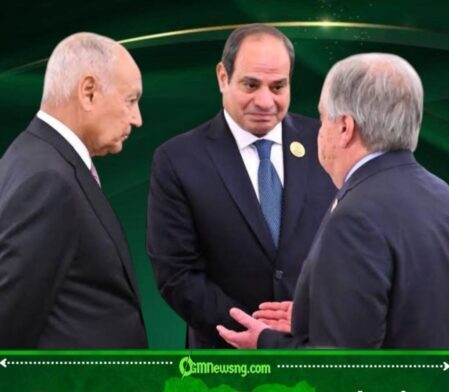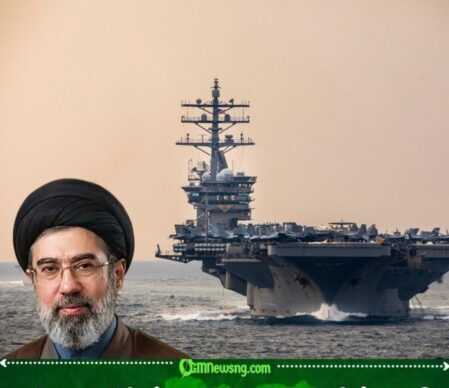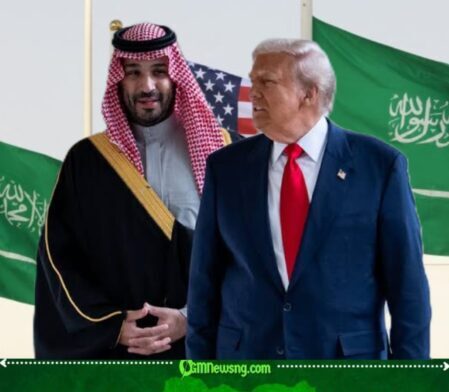








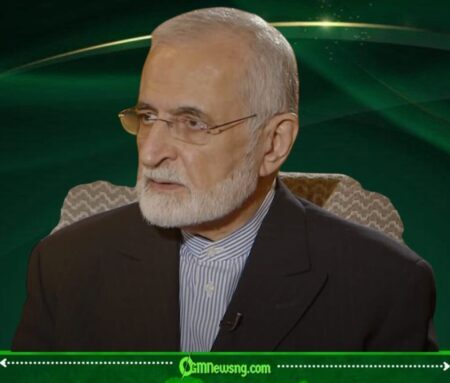
Kamal Kharazi, Former Iranian Foreign Minister, has died from injuries reportedly sustained during recent U.S.-Israeli strikes, marking a significant and deeply sensitive moment in the escalating tensions across the Middle East. His passing has sent shockwaves through political and diplomatic circles, as he was widely regarded as a seasoned statesman with decades of influence in Iran’s foreign policy.
The circumstances surrounding his injuries and subsequent death have intensified scrutiny of the ongoing conflict, with questions being raised about the broader implications for regional stability. Reports indicate that the strikes were part of a wider campaign targeting strategic locations, though details remain contested.
His death is expected to carry both symbolic and practical consequences, potentially reshaping diplomatic dynamics and affecting ongoing efforts to de-escalate tensions between global powers.
Political Legacy and Diplomatic Influence
Kamal Kharazi had long been recognized as a key figure in Iran’s diplomatic landscape, playing a central role in shaping the country’s foreign relations over many years. His tenure as foreign minister left a lasting imprint on Iran’s engagement with the international community.
Throughout his career, he was known for advocating strategic dialogue while maintaining firm positions on national sovereignty. His approach often reflected a balance between diplomacy and assertiveness, earning him both respect and criticism on the global stage.
The loss of such a prominent figure may create a vacuum within Iran’s diplomatic framework, prompting shifts in leadership and policy direction in the coming months.
Kamal Kharazi and Escalating Regional Tensions
Kamal Kharazi has become a central figure in discussions surrounding the recent escalation, as analysts examine how his death could influence the trajectory of the conflict. The incident underscores the risks associated with intensifying military actions in the region.
Experts warn that the targeting of high-profile individuals, whether intentional or incidental, can significantly heighten tensions and complicate diplomatic efforts. The situation remains volatile, with potential for further escalation.
The broader context of ongoing hostilities between Iran, the United States, and Israel adds complexity to the narrative, as each development carries far-reaching consequences.
International Reactions and Diplomatic Fallout
Kamal Kharazi has been the subject of widespread reactions from global leaders, with many expressing concern over the implications of his death. Calls for restraint and renewed dialogue have emerged from various quarters.
Some nations have condemned the strikes, while others have emphasized the need to address underlying security concerns. The diversity of responses reflects the geopolitical divisions that characterize the region.
Diplomatic channels are likely to be tested in the aftermath, as efforts to manage the situation and prevent further escalation continue. The incident may influence future negotiations and alignments.
Security Implications and Regional Stability
Kamal Kharazi has highlighted, through the circumstances of his death, the fragile nature of security in the Middle East. His passing serves as a stark reminder of how quickly situations can deteriorate.
Military analysts suggest that such developments could lead to retaliatory actions, further destabilizing an already tense environment. The risk of a broader conflict remains a pressing concern.
Efforts to maintain stability will require coordinated international engagement, as well as a renewed commitment to diplomatic solutions over military confrontation.
Looking Ahead
Kamal Kharazi has left behind a complex legacy that will continue to influence discussions on diplomacy and conflict in the region. His death marks not only the loss of an individual but also a moment of reflection for policymakers.
The coming weeks are expected to be critical, as governments assess their positions and consider potential responses. The situation remains fluid, with multiple factors shaping the path forward.
Ultimately, the impact of this development will depend on how global and regional actors respond, and whether it leads to further escalation or a renewed push for dialogue and resolution.
Table of Contents
Discover more from OGM News NG
Subscribe to get the latest posts sent to your email.